EDUBRIEFS
in CCTC
Function
at the Level of C3
| What
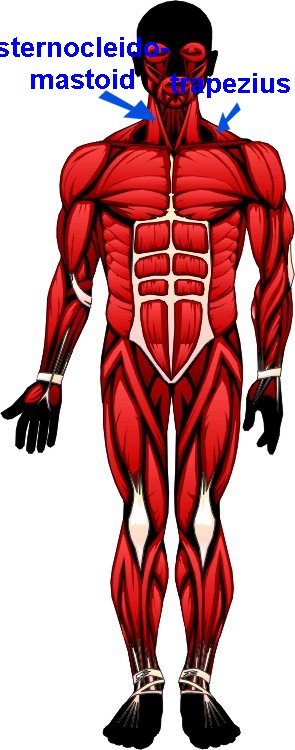
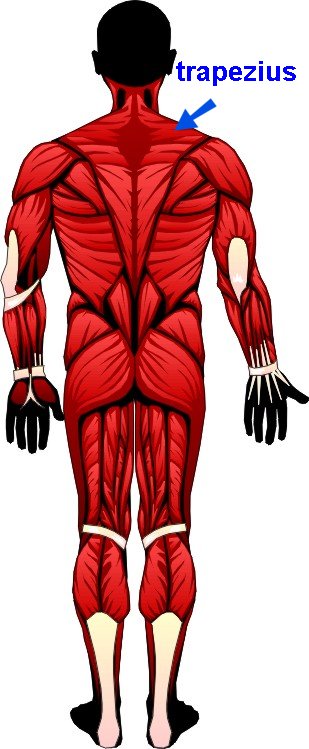
Motor Function is Consistent with C3? |
|
|
-
The
nerve root of C3 runs between vertebrae C3 and C4.
-
Motor
function includes:
-
weak
diaphragm
-
usually
unable to sustain ventilation
-
weak
neck movement (sternocleidomastoid present, weak trapezius)
|
 |
 |
| What
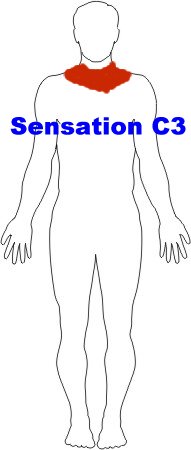
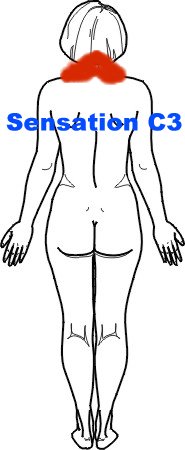
Sensory Function is Consistent with C3? |
|
|
-
C3
provides sensation for lower neck.
|
 |
 |
| Assessment
of C3 Motor Function |
|
|
-
Evaluate
ability to contract neck muscles (NOTE:
cervical spine immobilization limits ability to assess during acute phase).
-
Place
examiner's hand over trapezius and ask patient to shrug shoulder.
Assess motor function. C3 function will provide only weak neck function.
-
Assess
ability to turn cheek from side to side (sternocleidomastoid). NOTE:
only assess after cervical immobilization has been discontinued.
Muscle strength can be assessed by having patient turn cheek against examiner's
resistance.
|
|
|
| Assessment
of C3 Sensory Function |
|
|
-
Test
one side, then test same spot on opposite side
-
Always
apply the same amount of pressure to each side
-
Ask
patient to compare sensation on side A to side B
-
Conceal
test from the patient
-
Light
touch:
-
use
wisp of cotton or tissue; touch neck on either side and assess sensation
-
Sharp
or temperature touch:
-
use
safety pin, cap of pen or ice cube (do not use needle); assess neck on either side
|
|
|
| Expected
Outcome |
|
|
-
swallowing
-
speaking
-
usually
ventilator dependent
|
|
|
Brenda Morgan
Clinical Educator, CCTC
May 11, 2001
References:
Barr,
M, and Kiernan, J. (1993). The Human Nervous System: An Anatomical Viewpoint.
Philadelphia: Lippincott. pp 84-85.
Keppler,
J. (1987). Acute spinal cord injury. Critical Care Clinics. July. 3:3.
pp. 638-641.
Netter,
F. (1989). Atlas of Human Anatomy. New Jersey: Novartis.
Waxman,
S. (1996). Correlative Neuroanatomy. 23rd Ed. Stamford: Lange. pp
46-52, 352-355, 370.