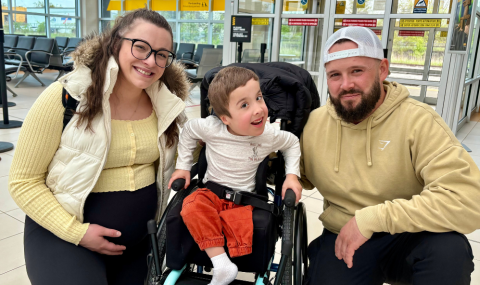
LHSC is home to one of the oldest and most successful liver transplant programs in the world. Since their first liver transplant in 1977, the Liver Transplant Team at LHSC has performed more than 2000 liver transplants including Canada's longest-surviving recipients at 39 years. Some of our recipients have gone onto deliver healthy babies, including twins, after their liver transplant.
Transplants include liver alone transplants as well as combined liver-kidney and liver-heart.
Information and Resources:
- Visit the Liver Transplant web page for more information.
- View the Patient Handbook web page for more information.
- Visit the Medication Information web page for more information.
- Join our Transplant Pharmacist for an online/virtual medication class. The class offers a refresher of your medications and a chance to have your questions answered. Classes are held every Wednesday at 2:00 PM. If you are interested, email us at transplantmeds@lhsc.on.ca and someone will get back to you with a link to the next class.
- Visit the Post-Transplant Information web page and watch videos about life after transplant, and infection and rejection.
- Visit the Covid Information web page for more information.
- Visit the Vaccination Information web page for more information
- Visit the Physiotherapy web page for more information.