Overview of Transplant Research

A close association between patient care and research has been an enduring trademark of our Multi-Organ Transplant Program. From the beginning, our hospital administration understood the importance of basic research and clinical investigation. This approach enabled us to move many innovations quickly from the laboratory to the bedside. Many of our clinician-scientists have cross appointments at Robarts Research Institute, The University of Western Ontario’s Department of Microbiology and Immunology, or the Lawson Health Research Institute. This association has been extremely beneficial for our patients, and it has assisted the Program tremendously in pushing forward the frontiers of organ transplantation.
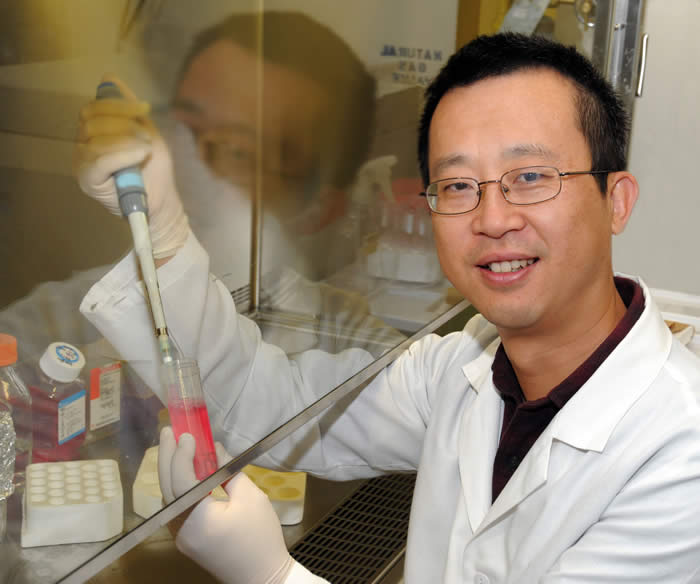
Virtually every new immunosuppressant has been investigated in various trials at University Hospital. Currently, more than a dozen clinical trials are in progress with several more ready to start. During the past five years, members of our Multi-Organ Transplant Program have published more than 200 articles in scientific journals and conducted research projects totalling $34 million.


In 2000, Dr. David White was appointed the Novartis-Stiller Chair in Xenotransplantation. Dr. White is investigating the feasibility of using organs from genetically-modified pigs for transplantation into humans. By introducing human genes into the pig, it should be easier to overcome rejection. These “transgenic” pig organs could be the ultimate solution to the shortage of donated organs. Even if every available human organ were donated, there would still not be enough to meet the demand, not now and especially not in the future. If organs from pigs could be used with the same success as human-to-human transplants, no patient would be denied this life-saving treatment.


The Ontario Research and Development Challenge Fund awarded the Multi-Organ Transplant Program $1.2 million annually for a 5-year period (2000-2005) to study ways to prevent organ rejection. By developing a three-way partnership in London amongst government, industry and institutional partners (LHSC, the Robarts Research Institute, and The University of Western Ontario), funds were used to establish the Centre for Transplant Studies under the directorship of Dr. Anthony Jevnikar and Dr. William Wall. In 2002, $1.3 million US from the National Institute of Health was awarded to scientists in our Program to determine how anti-rejection drugs can be used to inhibit the recipient’s immune system and produce tolerance.


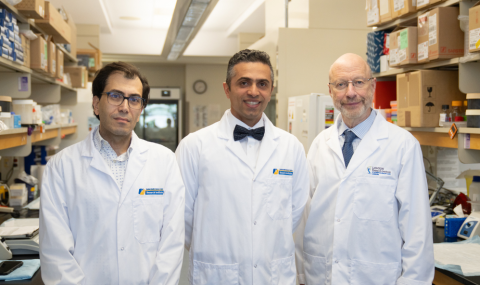
In the future, there may be exciting ways to produce new biopharmaceuticals and drugs useful for transplantation. Dr. Jevnikar has been leading a team that created genetically-altered plants capable of producing huge amounts of biopharmaceutical drugs in a cost-efficient way. Some of these drugs from genetically-engineered plants may prevent the development of Type 1 diabetes, and they may also be useful in preventing transplant rejection. Find out more about our researchers and their work.
Dr. Hao Wang


LHSCResearch & Training


Last Updated July 13, 2011 | © 2007, LHSC, London Ontario Canada