
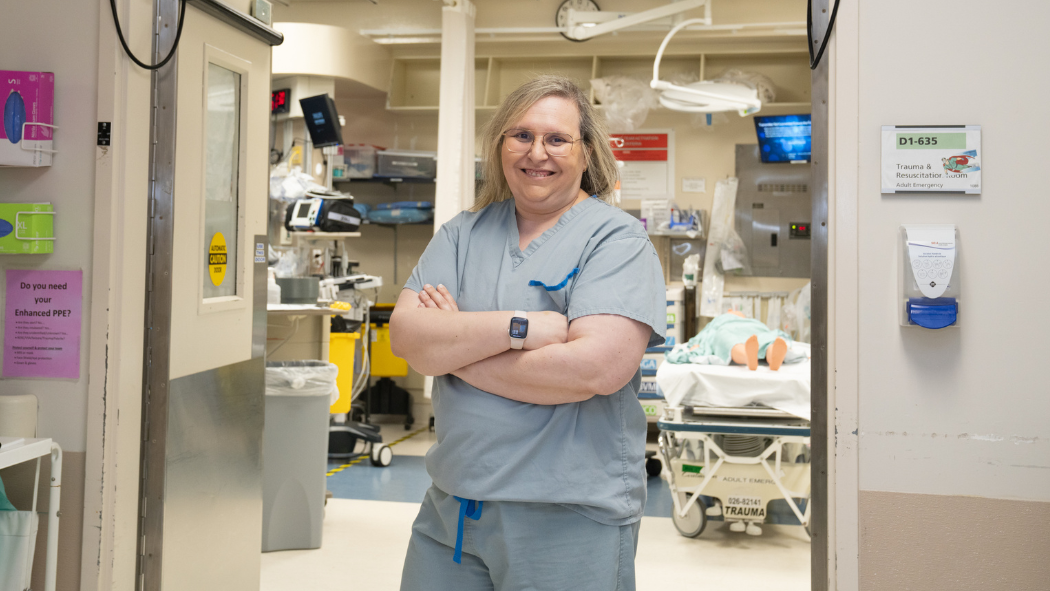
Dr. Kelly Vogt explains trauma season and how to protect yourself
May 15, 2026
Boating, biking, hiking, swimming, and all things under the sun, the arrival of the Victoria Day long weekend is often seen as the kickoff to the summer months of fun and activity, but it is also the unofficial start of another season: trauma season.
With added activity comes added risk and a notable rise in injuries and trauma seen in hospitals. Dr. Kelly Vogt is the Medical Director of the Trauma Program at London Health Sciences Centre (LHSC). She answers questions regarding trauma season and the most common injuries and incidents seen, while also providing tips for safe activity to avoid a potentially life-changing event.
Why are the summer months considered “trauma season”?
Dr. Kelly Vogt: We know that almost three quarters of the trauma we see over the course of the year happen between May and the beginning of October. The weather gets warmer, we travel on the roads, we use our recreational vehicles, we do outdoor activities, and we’re outside working more. All these exposures lead to more opportunities for traumatic injury. People also tend to have a little more fun during the summer months, and when we add in things like alcohol and even recreational drugs, that increases the risk of traumatic injuries as well.
What’s the difference between trauma and injury?
Dr. Kelly Vogt: Injuries in our world are typically more isolated events. They affect one area of the body and tend to be, when we talk about them in the hospital, a bit more minor compared to what we call trauma. Multisystem trauma refers to major, severe, or life-threatening injuries, usually involving more than one body part. They require urgent medical attention and come with a host of other potential challenges for both the body and the mind that arise from having more than one injury.
What are some of the long-term impacts trauma patients can face?
Dr. Kelly Vogt: We often talk about the physical consequences of trauma, such as surgeries or traumatic brain injuries, and those physical consequences are very real. But there are also psychological consequences, including changes in the way you think, and increased risk of psychiatric or psychological conditions. Patients who survive often experience a significant change in their identity and their life.
What are some of the common traumas seen?
Dr. Kelly Vogt: As the population ages, we’re seeing more falls that lead to trauma. Right up there with falls is motor vehicle collisions as the cause of many trauma cases we see.
Motorcycles, and even pedestrians struck by cars, unfortunately, are becoming increasingly common. Another particularly challenging area is trauma from collisions involving e-scooters or other electronic motorized vehicles.
What are your best tips for people to protect themselves?
Dr. Kelly Vogt: Keep a clear head when engaging in activities that carry any risk. That means don’t drink and drive, and don’t use marijuana or other drugs prior to undertaking recreational activities - especially when driving a car or any motorized vehicle.
The same goes for distractions. Cell phones can be very distracting, even when you’re walking, but especially when you’re driving or riding an e-bike or scooter.
Make sure you’re using available protective equipment. Put your seatbelt on every time you get in a car and every time you get in a boat. Wear a personal flotation device, and put your helmet on when riding a bike, motorized bike, or e-scooter. Use the safety equipment provided for all activities you’re doing.
Have fun, just do it in a responsible way.
At the end of the day traumatic incidents do happen, and LHSC has a highly skilled team of professionals who are here for you when you need us most.
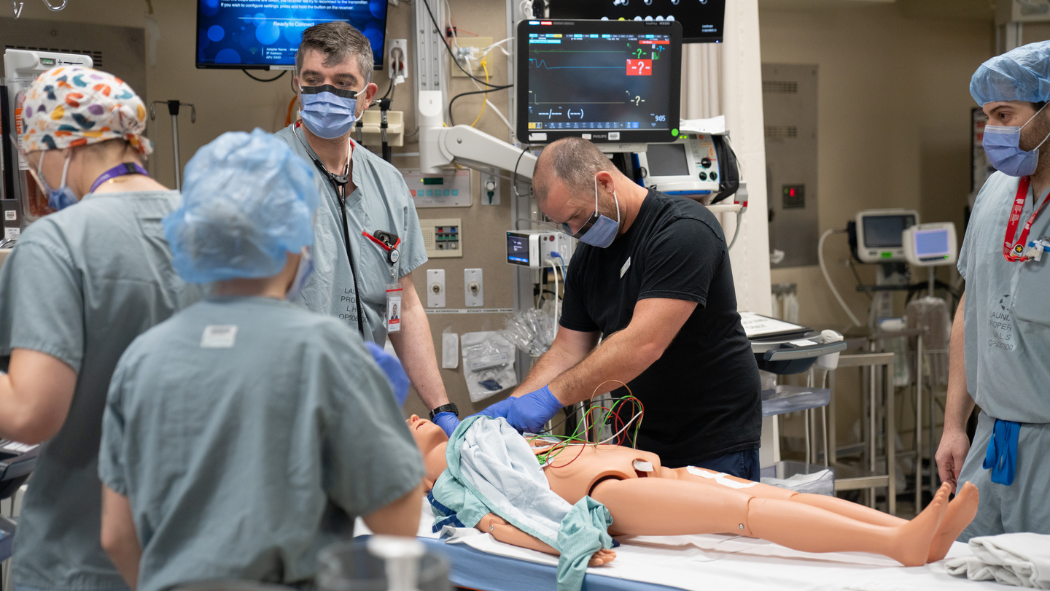
Members of Team LHSC participate in a trauma simulation in the Emergency Department at Victoria Hospital and Children’s Hospital.