
Over the past year, London Health Sciences Centre (LHSC) has continued strengthening its commitment to creating a health-care environment where patients, families, team members, and communities feel seen, respected, and supported, while advancing more equitable access to care for equity-denied populations.
Advancing Indigenous health through policy and practice
A significant milestone this year was the launch of LHSC’s Indigenous Healing and Cultural Practices Policy. Developed in collaboration with local Indigenous leaders, Elders, Knowledge Keepers, and community partners, the policy formalizes access to Traditional Healing practices and ceremonies within the hospital setting for First Nations, Inuit, Métis, and Urban Indigenous (FNIMU) patients.
This policy outlines our approach to creating a safe space for Traditional Medicine and ceremony to take place within LHSC. It represents another step in our efforts to build trust with FNIMU patients, families, and communities, and create a hospital environment where they feel supported in every aspect of their healing.
Chantel Antone, Indigenous Health Lead at LHSC
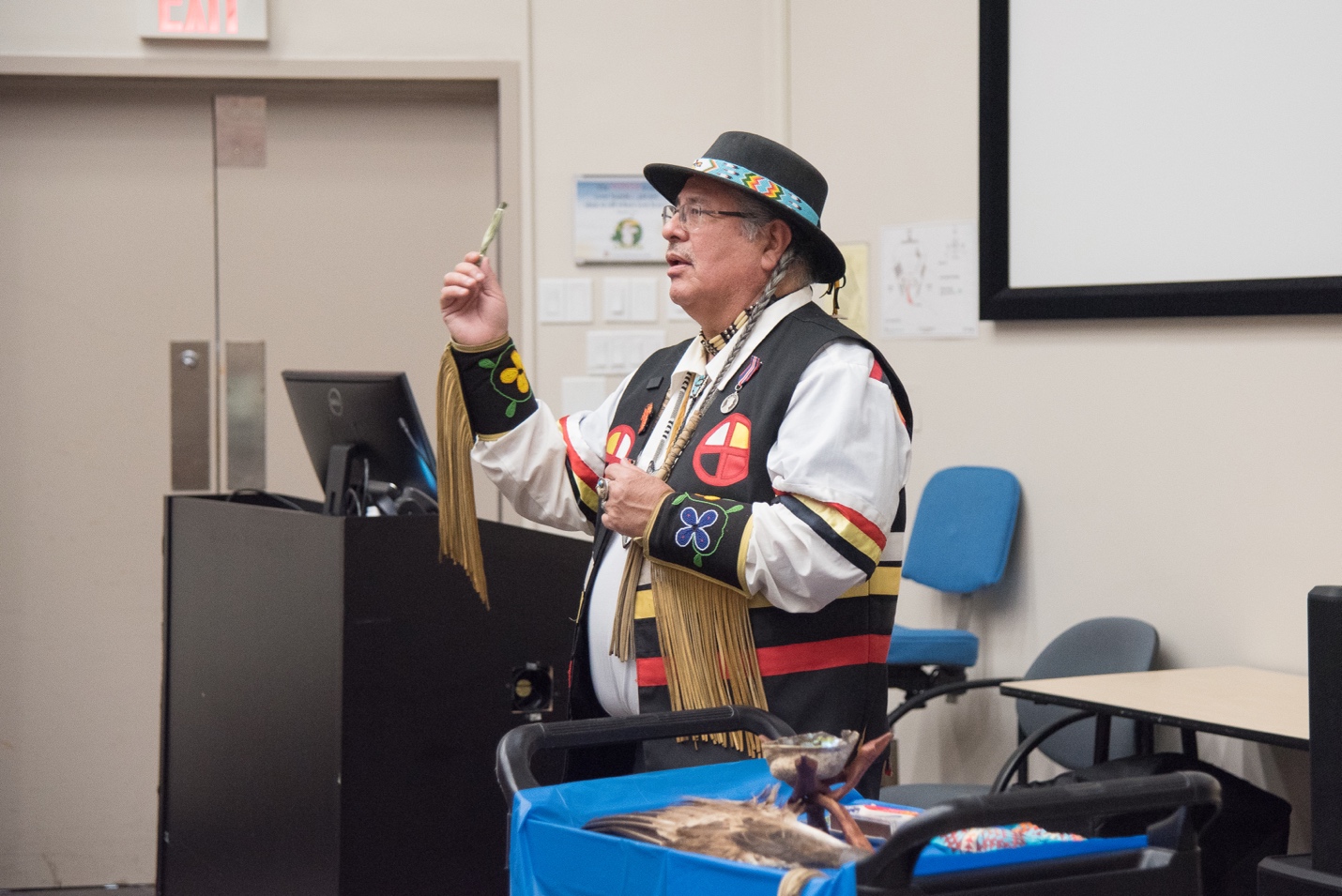
The policy provides guidance for care teams on how to support access to smudging ceremonies, Traditional Medicines, Indigenous practitioners, the Visiting Elders Program, and Indigenous Healing Spaces across the organization. More importantly, it reinforces the understanding that healing is holistic, encompassing spiritual, emotional, mental, and physical wellbeing.
This work builds on LHSC’s broader commitment to advancing Truth and Reconciliation and enacting Joyce’s Principle.
Bringing renal screening to Indigenous communities
LHSC’s commitment to partnership and culturally responsive care was also reflected in this year’s collaboration with Oneida Nation of the Thames for the organization’s first Indigenous renal screening event. The initiative brought care directly into the community, helping to increase access to early screening and education related to kidney health.
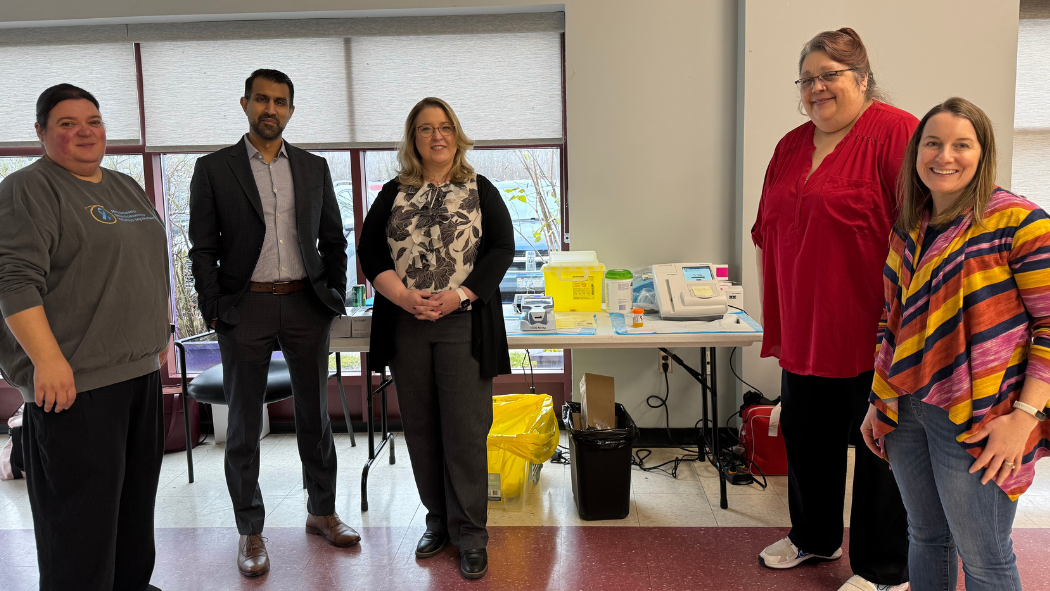
LHSC's community renal screening clinic shows what is possible when health care is delivered in a way that honours community strengths, respects cultural safety, and removes barriers to access. We are grateful to Oneida Nation of the Thames for welcoming us and for their partnership in creating spaces where Indigenous patients feel safe and well supported.
Tammy Quigley, Vice President of Cancer, Renal, Mental Health, and Patient Flow
Through a continued focus on building relationships grounded in trust, respect and collaboration, LHSC is helping advance health outcomes by listening to community needs and bringing care closer to where it is needed most.
Mental health care shaped by culture and tradition
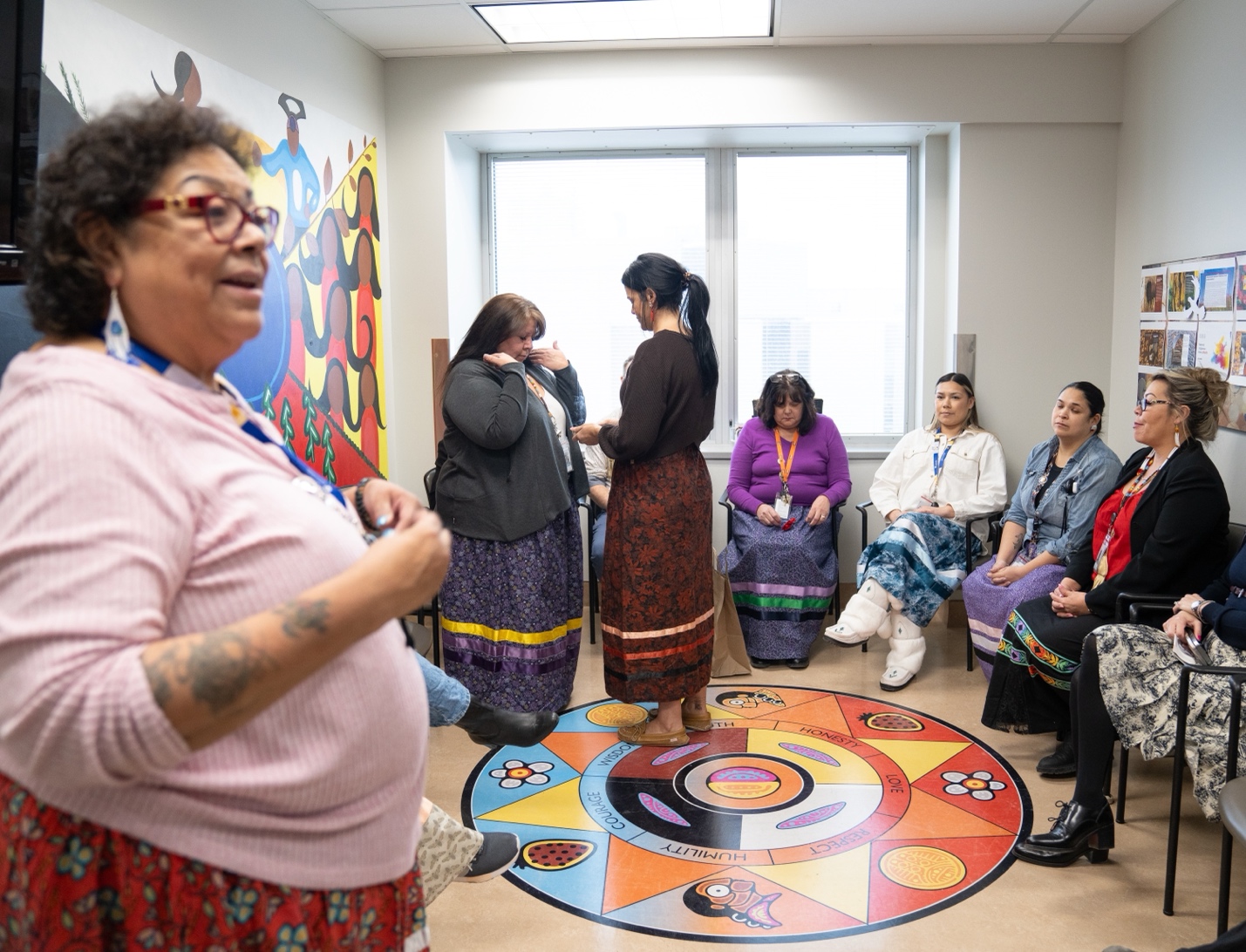
Across mental health care, LHSC has continued embedding Traditional Healing practices into clinical care models, recognizing the importance of integrating cultural identity and community-informed approaches into patient experiences.
In March 2026, the Adult Mental Health program officially unveiled its new Indigenous Healing Space, created in partnership with LHSC’s Indigenous Health team. The space reflects what is possible when care is shaped by listening, partnership, and cultural humility. It offers patients dignity, identity, and belonging during some of their most challenging moments.
This is a space where patients and staff can grow, learn, and be vulnerable together. It reflects our ongoing commitment to listen, learn, and strengthen care in meaningful and lasting ways. We are truly proud of this space, that invites reflection, connection, and healing.
Tammy Fisher, Director of Mental Health at LHSC
Partnership and collaboration driving efforts to advance Black Health
This year, LHSC also made meaningful strides in advancing Black health and wellness through community engagement and collaboration. As the first hospital in Ontario to establish a dedicated Black Health program, LHSC continues to lead efforts to identify and address barriers faced by Black communities in accessing care. Through engagement, education, and collaboration, the Black Health team is helping build stronger relationships with patients and communities while supporting culturally relevant and responsive care practices across the organization.
In June 2025, the Black Health team worked with Western University’s Centre for Research on Health Equity and Social Inclusion (CRHESI) and other regional partners to host a community engagement event called Addressing Anti-Black Racism in Healthcare. This event brought community members and health-care partners together to emphasize storytelling and dialogue to better understand lived experiences of African, Caribbean, and Black peoples across the health-care continuum.
Participants identified barriers and outlined preferred engagement pathways. Building on this engagement, a multi-year, cross-organizational action plan was created to address anti-Black racism in health care. The plan outlines measurable actions to strengthen representation, improve care pathways and reporting mechanisms, and drive shared progress across the health-care system.
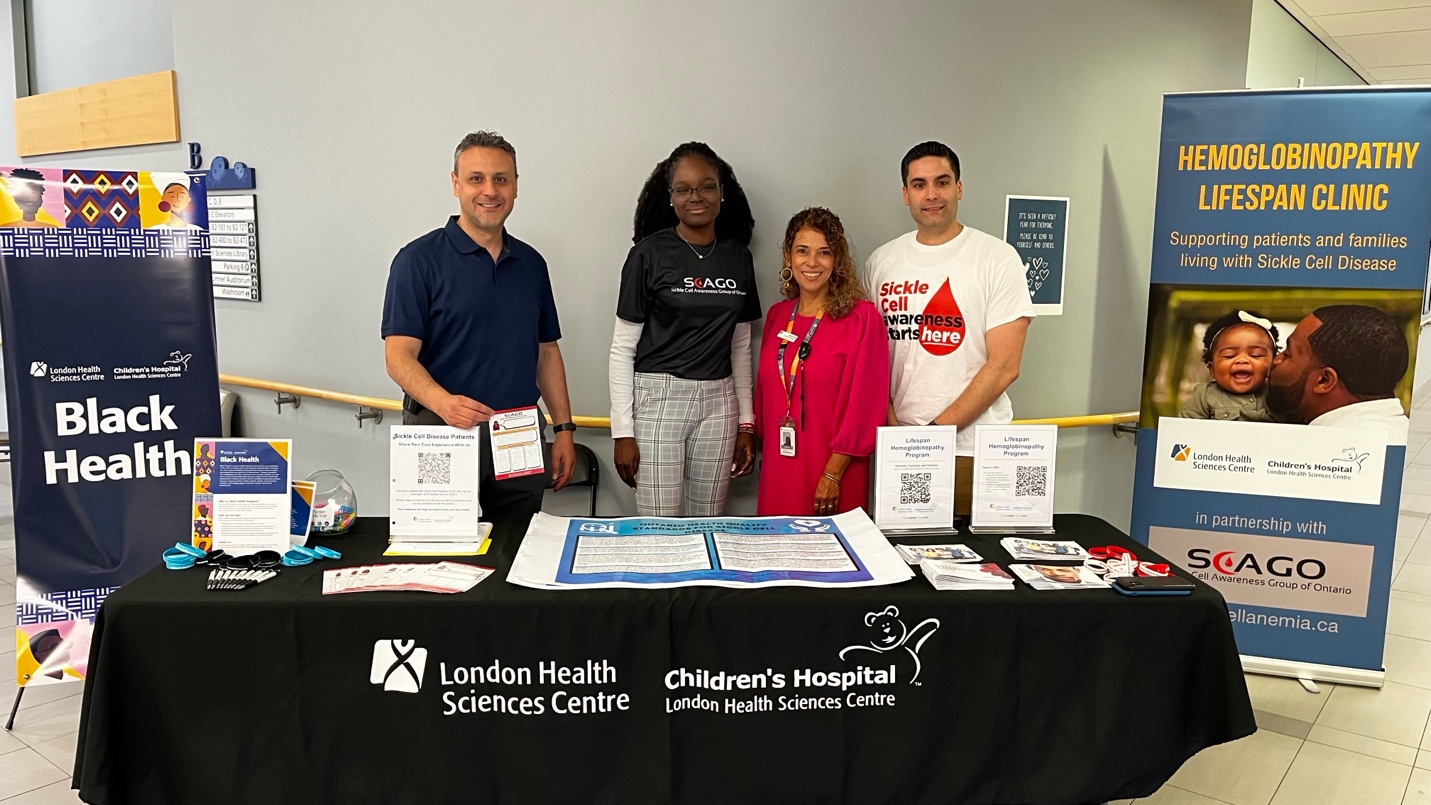
In addition to this work, LHSC advanced system-wide quality improvement initiatives focused on improving care for people living with sickle cell disease (SCD), a condition that disproportionately affects Black communities and is often associated with experiences of stigma and anti-Black racism in health care. Through coordinated efforts across Emergency Medicine, Inpatient Medicine, Hematology, and the Black Health team, care was aligned with provincial quality standards. Collaborative efforts between these teams included the implementation of standardized medical directives and PowerPlans for the Emergency Department, resulting in efficient pain assessment and treatment for patients. Improvements were also made by establishing designated inpatient admission pathways and delivering targeted staff education focused on bias reduction and culturally safe pain management.
Together, these initiatives represent meaningful progress in LHSC's ongoing EDI journey and reflect a growing understanding that inclusive care must adapt to the unique needs and perspectives of the people and communities being served. Whether through advancing Truth and Reconciliation, strengthening partnerships with equity-denied communities, or embedding culturally responsive practices into care environments, the organization is helping create a health-care environment where every person feels a sense of belonging.
Cathy Wood, Interim Director of Equity, Diversity, and Inclusion and LHSC's Black Health Lead