
At London Health Sciences Centre (LHSC), care without barriers means designing health systems that meet people where they are, whether at home, in the community, or within our hospital walls.
Over the past year, teams across the organization have focused on removing obstacles to access, improving patient experience, and strengthening continuity of care. Together, these efforts are redefining how care is delivered, making it more equitable, compassionate, and responsive to the diverse needs of the communities we serve.
Bringing care into the community through the Nurse Police Response Team
In September 2025, LHSC partnered with London Police Service (LPS) to launch the Nurse Police Response Team (NPRT), an innovative model that brings care directly into the community. By pairing an LHSC Emergency Department registered nurse with an LPS officer, the team delivers on-site support across London, including the Downtown, Midtown, and Old East Village, meeting individuals where they are and reducing reliance on emergency departments for low-acuity needs.
In its first nine weeks, the NPRT expanded from two to seven days a week, and to date, has supported 639 patient interactions. The team provided wound care, overdose response, and health education, while connecting individuals to appropriate community resources, and helping to remove barriers for those who may struggle to access traditional care.
Through this model we shift our front door into the community, with a focus on underserved communities to extend care services beyond our physical walls and meet people where they are. This is filling an important gap where we can not only reduce avoidable visits to our emergency departments, but we can also improve overall health outcomes for members of our community who, for many reasons, may have difficulty accessing stable health resources.
Deborah Wiseman, Vice President, Medicine, Emergency Services, Critical Care, Clinical Neurological Sciences, and Corporate Nursing Executive at LHSC
By extending care beyond hospital walls, the NPRT represents an important step toward a more accessible and inclusive system of care.
Expanding access to virtual care
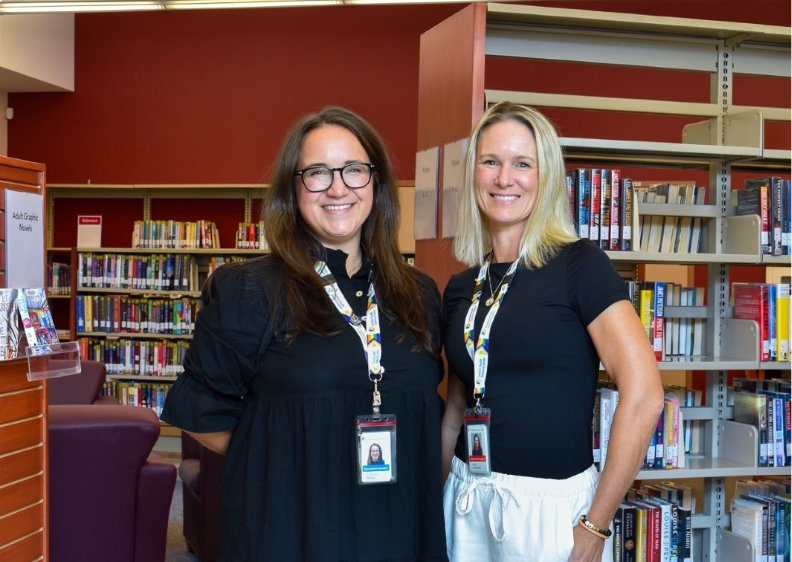
Building on efforts to meet patients where they are, LHSC and St. Joseph’s Health Care London’s joint Virtual Care Program is expanding equitable access through a new community-based education initiative. In partnership with libraries across London and Middlesex County, the team launched “Virtual Health Care 101” in April 2025, a free workshop designed to build digital confidence and expand the reach of virtual services.
Delivered in trusted, accessible community spaces, the sessions provide hands-on guidance to help participants understand virtual care, navigate available resources, and practice for video appointments. This work responds to a growing need, as approximately 1,000 patients across southwestern Ontario receive care from home each day, while others continue to face barriers related to technology and awareness.
By providing hands-on training, raising awareness, and sharing resources and supports, we're equipping community members with the tools they need to confidently and equitably access virtual care. The libraries have been incredible partners—sharing their spaces, promoting the workshops, and dedicating their time and resources to make this initiative possible.
Gabriele Davey, Virtual Care Specialist
With strong engagement and positive feedback, the program continued to expand, helping to close the digital divide and bring virtual care within reach for more patients.
Enhancing patient experience through the Women’s Minor Procedure Room
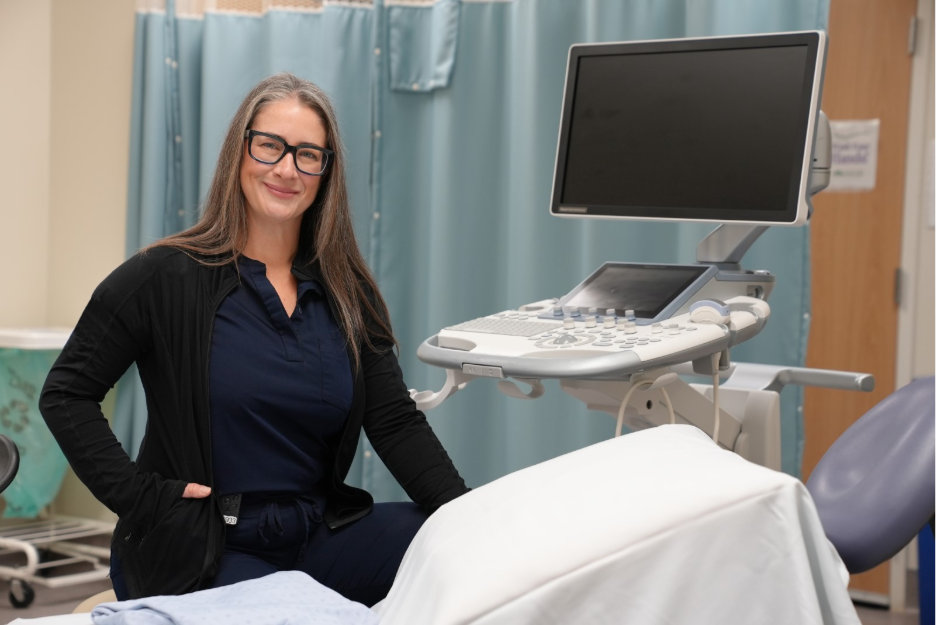
In addition to improving access, LHSC is also transforming the care experience itself. In October 2025, LHSC introduced the Women’s Minor Procedure Room (MPR), a purpose-built space designed to improve patient comfort while reducing demand on operating rooms. The MPR allows for a wide range of gynecological procedures to be performed with conscious sedation, offering a more comfortable and supportive experience.
This initiative has significantly enhanced access to care and reduced wait times, with many procedures now completed within weeks rather than months. At the same time, it has freed up valuable operating room capacity for more complex cases, improving system efficiency. The thoughtfully designed space and streamlined care model also allows patients to move through procedures more quickly – often within a single hour visit – in a calmer, more personalized environment.
For decades, pain during gynecological procedures has been unrecognized and undertreated. From IUD insertions to endometrial biopsies, patients have largely been expected to 'tough it out,' with limited options for pain relief. Our new MPR is changing that narrative.
Dr. Erin Lovett, Obstetrician/Gynecologist at LHSC
By addressing these longstanding gaps, the MPR reflects LHSC’s commitment to delivering more equitable, patient-centred care.
Supporting recovery beyond hospital walls through LHSC to Home
These initiatives are complemented by efforts to ensure patients continue to receive the care they need after leaving hospital.
In 2025, the LHSC to Home program expanded its impact, strengthening the transition from hospital to home for patients with complex care needs. As part of LHSC’s Home First strategy, and in partnership with SE Health and Ontario’s Ministry of Health, the program provides up to 16 weeks of coordinated home and community care. Through personalized care plans and support from interdisciplinary teams, to date more than 945 patients received the services they needed to recover safely and comfortably at home.
LHSC to Home advances LHSC's Strategic Priorities by enhancing integrated, people-centred care; improving quality, safety, and system leadership; and strengthening the transition from hospital to home. The program bridges acute and community care to create a connected, personalized recovery journey. Each care plan is tailored to individual goals, and collaboration with SE Health provides a sustainable solution that eases pressure on hospitals while improving patient experiences and outcomes.
Tammy Quigley, Vice President of Cancer, Renal, Mental Health, and Patient Flow
For Elisabeth Hutchinson, the program played a critical role in her recovery following a life-threatening hospitalization that involved multiple serious conditions. While she was medically stable to leave the hospital, she still required ongoing care and support to regain her strength.
Through LHSC to Home, Elisabeth received consistent, flexible care that evolved alongside her needs, helping her safely rebuild her independence. The continuity of her care team also proved vital when changes in her condition were quickly recognized, prompting urgent intervention.
My care team was reliable, knowledgeable, and consistent. It was high quality care, and I benefited immensely from it.
Elisabeth Hutchinson, LHSC to Home patient
By connecting hospital and community care, LHSC to Home is improving patient outcomes, reducing hospital stays, and ensuring more patients can recover where healing happens best — at home.
Across LHSC, a focus on care without barriers is guiding how services are designed, delivered, and experienced. These efforts reflect a system that continues to adapt, finding new ways to reach patients, respond to their needs, and provide care in more accessible and meaningful ways.
Grounded in collaboration and a commitment to putting patients first, this work is helping to create a more connected and responsive approach to care; one that better reflects the communities we serve.