
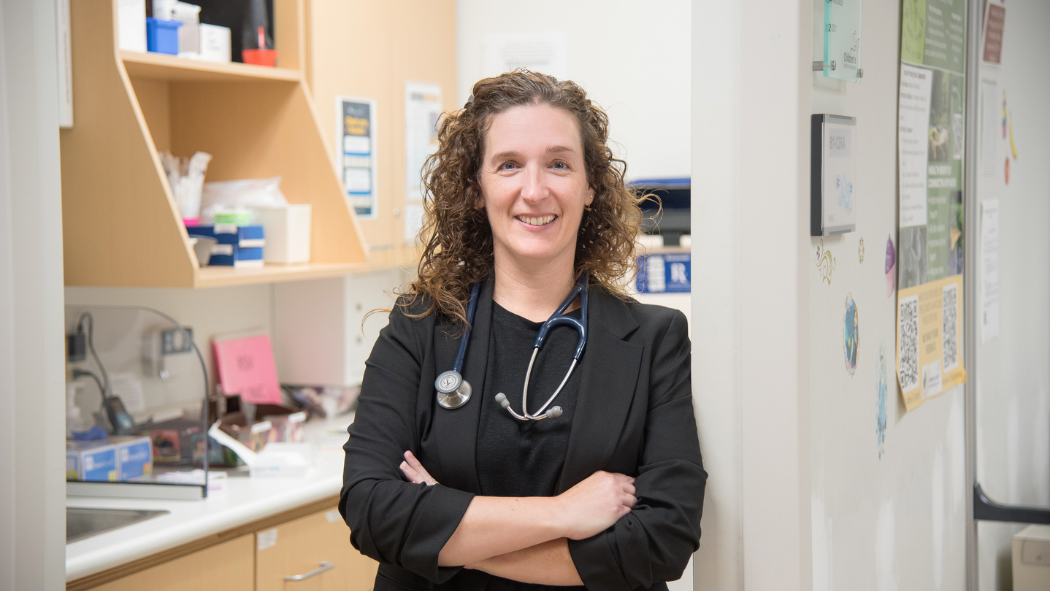
Nurse practitioner Erin Fleischer talks the importance of RSV prophylaxis
Kids are officially back in school across the country and while it may be a welcome reprieve for parents, we do know that the dreaded respiratory illness season is just around the corner. Among the illnesses expected to be passed around is respiratory syncytial virus, more commonly known as RSV.
RSV is known to pose serious health risks to some of the most vulnerable population groups including newborns. However, there are ways to prevent serious infections. Erin Fleischer is a nurse practitioner at Children's Hospital, London Health Sciences Centre (LHSC) where she oversees the RSV Immunization Clinic. She answers questions about RSV prophylaxis and why it is highly recommended for newborns.
What is RSV prophylaxis, and how does it help protect infants and young children from serious illness?
Erin Fleischer: There are two publicly funded ways to protect babies during RSV season: the Abrysvo vaccine during pregnancy and the long-lasting antibody nirsevimab (Beyfortus) for infants. Both give a baby antibodies that can fight RSV and lower the risk of serious illness.
What is the difference between prophylaxis and vaccines?
Erin Fleischer: Vaccines teach the body to make its own antibodies. When Abrysvo is given during pregnancy, the pregnant person makes antibodies that pass through the placenta to the baby. This takes at least two weeks.
Nirsevimab is not a vaccine. It gives the baby ready-made antibodies through an injection, so protection starts within hours.
Both options protect for about six months, usually one RSV season, and are highly effective at preventing serious RSV illness.
Why is RSV a particular concern for babies, especially during their first RSV season?
Erin Fleischer: For most people, RSV feels like a cold, with a cough, stuffy nose, sneezing and a mild fever. In babies, it can move into the lungs and cause trouble breathing, bronchiolitis or pneumonia.
Younger babies are at greatest risk because their airways are very small, their immune systems are still developing, and they have less energy to cope with illness.
RSV spreads through coughs and sneezes and by touching contaminated surfaces, then touching the eyes, nose or mouth. It is very contagious. Most children have had RSV by age two, and people can catch it more than once.
Why is it important for parents to consider getting RSV prophylaxis?
Erin Fleischer: Babies under one are much more likely to be hospitalized with RSV than with the flu. Most babies admitted with RSV were born at full term and had no known risk factors. There is no medicine that cures RSV. Hospital care may include oxygen, feeding through a tube or, in severe cases, help from a breathing machine.
What impacts are seen when children are protected against RSV?
Erin Fleischer: Protected babies are less likely to become seriously ill from RSV. Early research also suggests that preventing RSV may lower the chance of some other viral illnesses during the same season.
RSV can sometimes lead to repeated wheezing, lower lung function and more medical visits. Protection may reduce these risks.
During RSV season, clinics and hospitals see many sick children. Some babies need hospital beds, which can crowd emergency departments and delay other care, including surgeries.
Over the past two years, fewer babies have arrived seriously ill with RSV and fewer have needed hospital care. This has helped hospitals keep beds available and continue other treatments and surgeries.
What are the most common reasons parents may be hesitant about RSV prophylaxis?
Erin Fleischer: A common question is whether nirsevimab is new. Antibody treatments for RSV have been used in infants for more than 20 years. An older product, palivizumab, was safely given to thousands of high-risk babies, but it was costly and needed repeated doses.
Nirsevimab contains an antibody designed to attach to RSV and block it from entering the body’s cells. It also contains inactive ingredients that keep the injection stable.
The most common side effects of Abrysvo and nirsevimab are pain, redness or swelling where the injection was given. These usually fade within a day. A mild fever is also possible. Serious side effects are rare.
How do healthcare providers address concerns about safety, effectiveness, or the need for RSV prophylaxis to help parents make informed decisions?
Erin Fleischer: Healthcare providers review current research, real-world safety information and advice from Canada’s National Advisory Committee on Immunization. They explain the benefits and risks, answer questions and help families choose what is right for their child.
What would you say to parents who may be hesitant?
Erin Fleischer: Ask every question you have. Speak with your family doctor, nurse practitioner or another trusted healthcare professional. Reliable information as well as how to access the vaccine is also available from the Provincial Council for Maternal and Child Health (PCMCH), Middlesex-London Health Unit, the Children’s Hospital RSV clinic and the SickKids Immunization InfoLine. These sources offer current, unbiased information, including resources in several languages.
Where and when can people access RSV prophylaxis?
Both RSV immunization options will be available as of October 1, 2026. For pregnant women who wish to obtain the maternal immunization Abrysvo, please speak to your primary care provider, midwife or OB about this option and the timing of the injection as it should be given between 32-36 weeks gestation and they should be able to provide the immunization in their office.
For babies born April 1, 2026 to September 30, 2026, they will qualify for Nirsevimab immunization and this can be obtained from your primary care provider, local health unit or through the RSV immunization clinic or subspecialty clinics here at LHSC.
For babies who are born during RSV season (October 1, 2026 to March 31, 2027) if the maternal immunization has not been given, you will be offered Nirsevimab prior to leaving your birthing hospital or at the time of home birth if you have a midwife.