
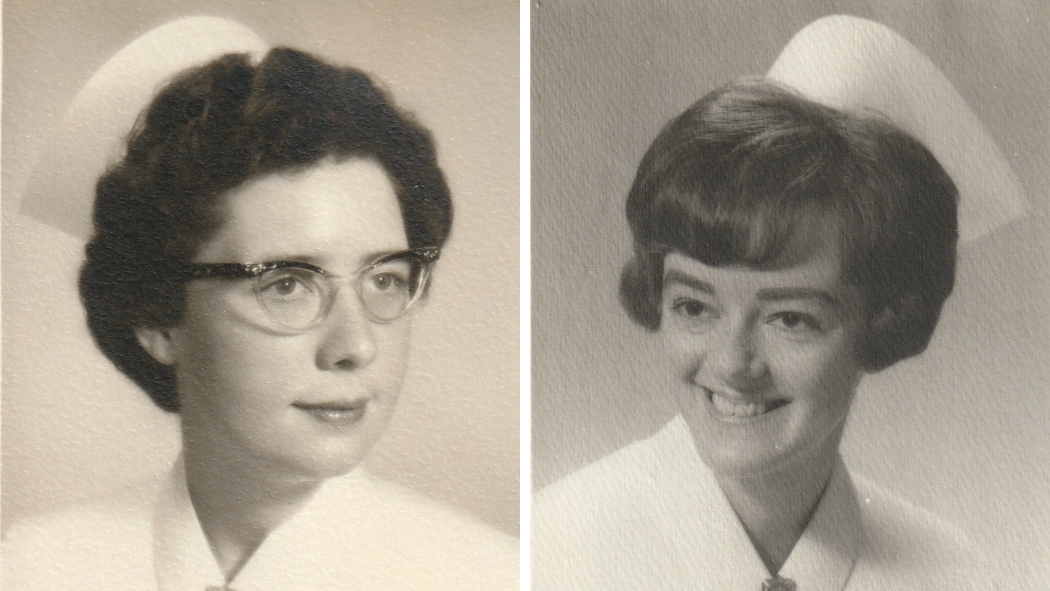
Graduation photos of Joyce Hawkins and Cheryl Shavalier, two retired LHSC nurses.
May 12, 2026
Long before electronic records, advanced diagnostics, and highly specialized care teams, nursing at London Health Sciences Centre (LHSC) looked, and felt, very different. Even in the early days of Victoria Hospital, the power of nursing was already shaping patient care into what it is today.
For two former London Health Sciences Centre (LHSC) nurses that began their career in the 1960s, the heart of the profession feels unchanged.
Joyce Hawkins, who graduated from nursing school in 1960, and Cheryl Shavalier, who graduated in 1969, both spent their early careers at LHSC during a time when nursing was shaped by close-knit training programs, hands-on learning, and deeply rooted teamwork.
As they reflect on more than half a century of change in health care, both are clear on one thing - the power of nurses has always been there, but it has simply evolved.
For both women, nursing was never really a question; it was a certainty.
Hawkins says the desire to help others was simply part of who she was growing up.
“I knew in high school I wanted to be a nurse and help people. I never deviated from that.”
For Shavalier, the path was equally clear, shaped by family influence and early exposure to nursing. “I never knew I didn’t want to be a nurse. I come from a nursing family. It was just the path I wanted to take.”
Both Hawkins and Shavalier trained through the hospital-based nursing school at the old Victoria Hospital (South Street), in the 1960s where part of their teamwork was attributed to their residence and continued training together, forming lifelong bonds which continue today.
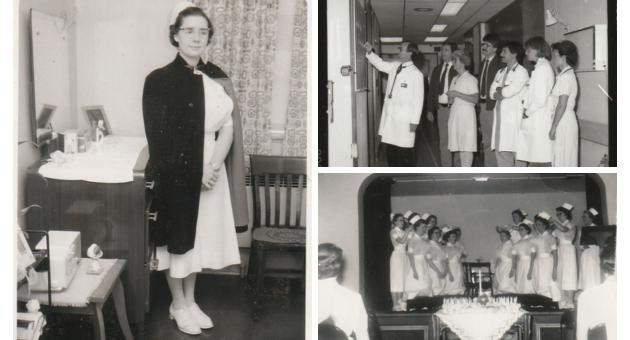
“We lived together for three years. There were 250 to 300 people in residence, and you became like a family. That was the beginning of learning what teamwork really meant.” says Hawkins.
That sense of teamwork carried directly into practice. Hawkins explained that their work was always a team approach. Everyone pulled together and no one left until everything was done, and that included housekeeping and maintenance. Shavalier echoes this.
“We soldiered on together. You divided the workload, made rounds, and supported each other. That camaraderie was everything.” says Hawkins.
Both nurses describe a hospital environment that would be almost unrecognizable today.
Wards were larger, patients stayed longer, and care was delivered without many of the technologies now considered standard.
“We had 36 beds on a general surgery ward. Patients stayed seven to 10 days for something like a gallbladder surgery. Now it’s hours.” Shavalier comments. “We started with reports, made our treatment lists, did rounds with doctors, gave medications, did bed baths, and charted everything by hand.”
Despite the workload, both recall a strong sense of fulfillment.
“We loved our work so much; it filled our soul.” Hawkins comments.
Both nurses also acknowledge dramatic changes in the profession.
“We were taught the art, science, and spirit of nursing. Technology has grown, but that holistic care is still the most important thing,” says Shavalier.
They describe a time when sitting with patients, talking, and observing was considered essential care. Shavalier commented that it has been amazing to see technology grow so much to support patients living productive lives and 40 years ago, that may not have been the case.
She continues, “Patients are living longer, better lives because of technology. But we still need that human connection at the bedside. Nurses can learn from patients. Your senses can pick up on things that technology may not; it's all about the sense of care.”
Shaping healthcare
For both nurses, certain patient experiences remain vivid decades later.
Hawkins recalls a trauma case where quick nursing assessments helped save a life.
“I looked at the patient and knew something wasn’t right. I called the surgeon down, and if we had waited even five minutes longer, we may have lost him.”
Shavalier remembers the quiet impact of continued care.
“A burn patient I took care of for months came to my retirement party 30 years later. That meant everything to me.”
Both nurses strongly believe nursing has always played a central role in shaping health care.
“Nurses are always part of the change,” Hawkins says. “We may not always realize it, but nurses have always been the constant force helping health care, and the system, move forward.”
They emphasize the importance of mentorship and leadership within the profession.
Shavalier recalls, “We were raised on teamwork. You support each other, teach each other, and push each other forward.”
Looking ahead
Even while recognizing modern pressures, both remain hopeful about the future of nursing.
“Who knows what technology will make possible and who knows what the impact of AI will be on the level of practice of each nurse. I think you have to be open to change, respond, and assess, but the skies the limit,” Shavalier says.
For both, Nursing Week is a reminder of what has always defined the profession. When asked what she thought about the future of nursing, Shavalier wanted current nurses to remember all the things that are possible today and think positively.
“Be proud of being a nurse. You are a vital part of the health-care team!”
For both, Nursing Week is a reminder of what has always defined the profession.
Hawkins fondly reflected on her time as a nurse.
“This is my hospital, and this is your hospital. I want to do everything I can to make it the best it can be. It's your turn to carry the torch.