%20rotate(-45)'/%3e%3crect%20class='cls-1'%20x='132.42'%20y='535.62'%20width='935.15'%20height='128.75'%20rx='64.38'%20ry='64.38'%20transform='translate(600%201448.53)%20rotate(-135)'/%3e%3c/svg%3e)
%20--%3e%3cdefs%3e%3cstyle%3e%20.st0%20{%20fill:%20%23eaf7fc;%20}%20%3c/style%3e%3c/defs%3e%3cpath%20class='st0'%20d='M196.8,840.6h806.4c35.6,0,64.4,28.8,64.4,64.4h0c0,35.6-28.8,64.4-64.4,64.4H196.8c-35.6,0-64.4-28.8-64.4-64.4h0c0-35.6,28.8-64.4,64.4-64.4Z'/%3e%3cpath%20class='st0'%20d='M196.8,535.6h806.4c35.6,0,64.4,28.8,64.4,64.4h0c0,35.6-28.8,64.4-64.4,64.4H196.8c-35.6,0-64.4-28.8-64.4-64.4h0c0-35.6,28.8-64.4,64.4-64.4Z'/%3e%3cpath%20class='st0'%20d='M196.8,230.7h806.4c35.6,0,64.4,28.8,64.4,64.4h0c0,35.6-28.8,64.4-64.4,64.4H196.8c-35.6,0-64.4-28.8-64.4-64.4h0c0-35.6,28.8-64.4,64.4-64.4Z'/%3e%3c/svg%3e)

Before LHSC: The community vision that transformed London’s health care
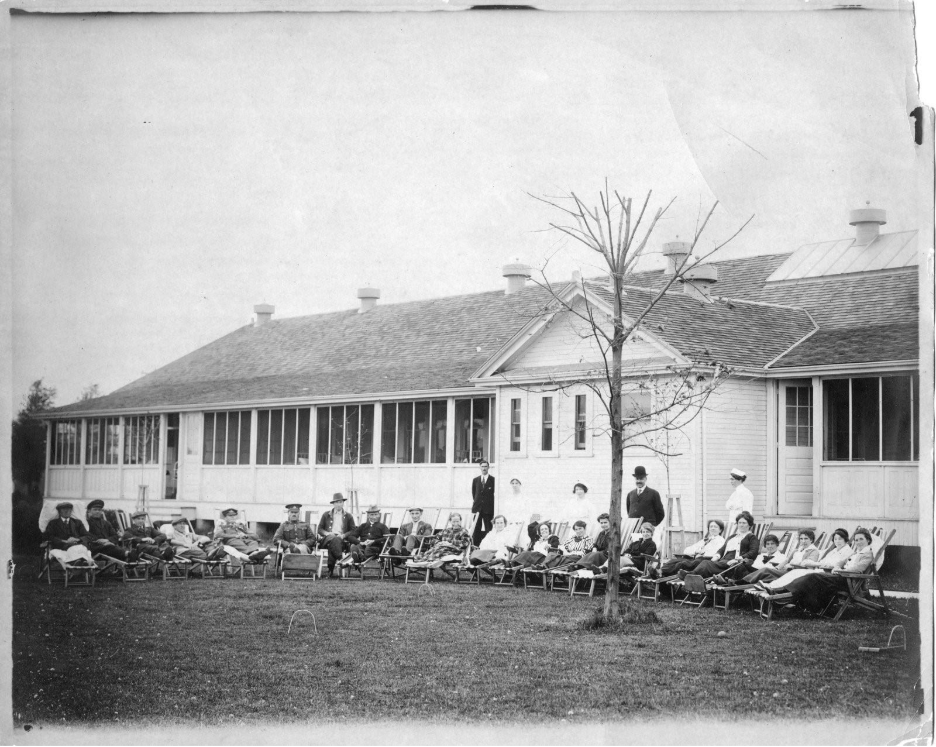
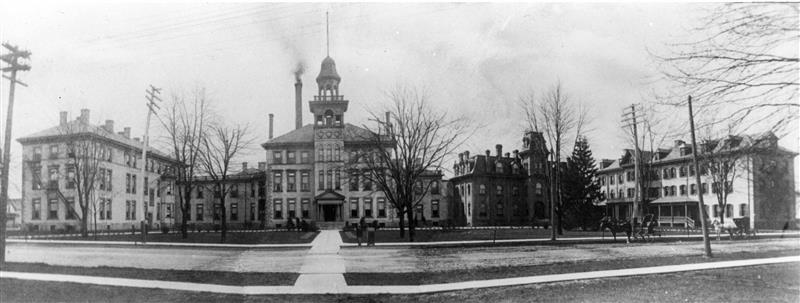
Above: Patients and staff outside of the Cliff Infirmary at Queen Alexandra Sanatorium, also known as Beck Memorial Sanatorium, Source: Ivey Family London Room, London Public Library, London, Ontario, Canada
In the early 1900s, tuberculosis (TB) posed a major public health challenge across Ontario and across Canada. For each patient, the diagnosis carried stigma, isolation, and for many, little hope. London recognized very early that care was required for their community and a movement took shape that would lay the foundation for London Health Sciences Centre (LHSC) as we know it today.
In 1909, a group of civic-minded leaders, led by Sir Adam Beck, then mayor, refused to accept that nothing could be done for those with TB. They formed the London Health Association (LHA) with one clear goal, to build a sanatorium for the care of TB patients that would be guided by purpose and care, not politics.
That vision became reality just three years later, when the Queen Alexandra Sanatorium opened on 130-acres of land in Byron. Nestled among pine trees and fresh country air, the facility was a tranquil environment created to care for patients with advanced stages of TB, regardless of their income, background, or where they lived. It included a special infirmary for advanced cases and was committed to treating all patients.
Patients came not only from London, but St. Thomas, Elgin County, and eventually from as far as Kent and Oxford Counties. The success of the Sanatorium, both in public support and in clinical outcomes, showed what was possible when a community came together to meet a critical health need.
“The LHA didn’t just build a sanatorium, they sparked a legacy of community-led health care that continues at LHSC today.” says Dr. Christie MacDonald, LHSC 150 Co-Executive Sponsor and Interim Vice Chair, Medical Advisory Committee. “It’s the same commitment that continues to drive us forward.”
In 1949, the sanatorium was renamed Beck Memorial Sanatorium in recognition of Sir Adam and Lady Beck’s tireless efforts. When the sanatorium closed in 1972, its mission fulfilled as TB came under control, the LHA turned its focus to a new challenge, bringing advanced care to London.
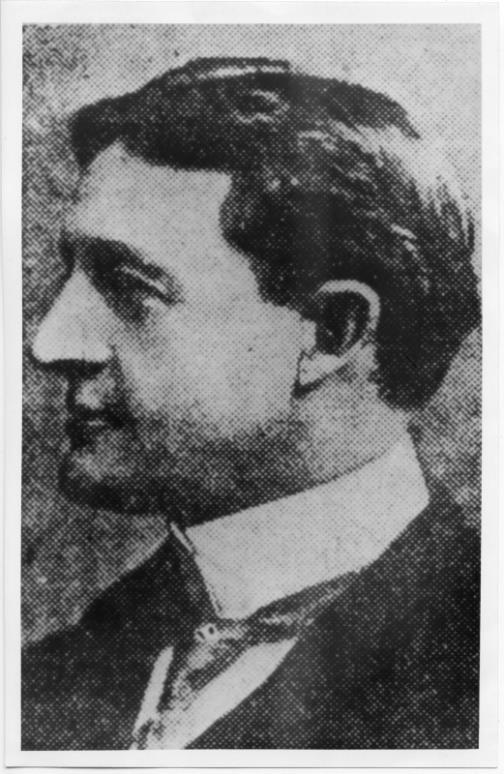
What followed was the planning and creation of University Hospital (UH), which opened in 1972 and marked the next chapter in the Association’s history. Where the sanatorium met a public health crisis, UH would meet the growing need for complex, specialized care in a modern hospital setting.
“The LHA’s early work shows us how long-standing our community’s commitment has been to equitable care” says Dr. MacDonald. “It’s a legacy of compassion and progress that we carry forward every day.”
Although the Beck Memorial Sanatorium no longer stands, its memory serves as an important reminder of what community leadership, compassion, and determination can achieve. The LHA’s early fight against TB reflects an enduring promise to respond to our community’s health needs, whatever they may be, with care, innovation, and vision.
Do you have an LHSC memory to share?
Submit your LHSC story today150 Moments
Celebrating the moments - big and small - that have defined LHSC's legacy
LHSC 150: Medical Imaging through the years
Honoring our legacy: A conversation with a former respiratory therapist
A new era of discovery: How 150 years of innovation has led to current research that is reshaping health care

Together, through every season: A holiday message
A lifelong commitment to volunteering: Celebrating 50 years of service
The evolution of Emergency Departments at LHSC
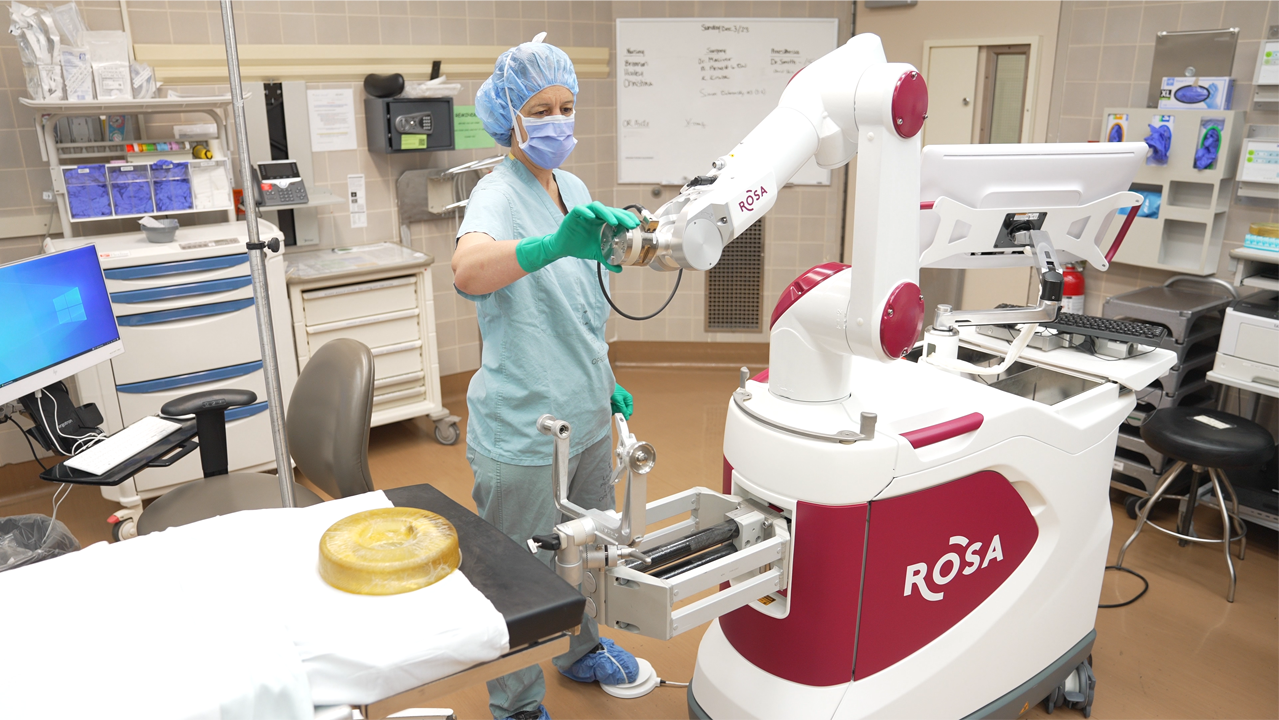
Meet your surgeon and their robot: The unstoppable duo behind cutting-edge surgeries at LHSC
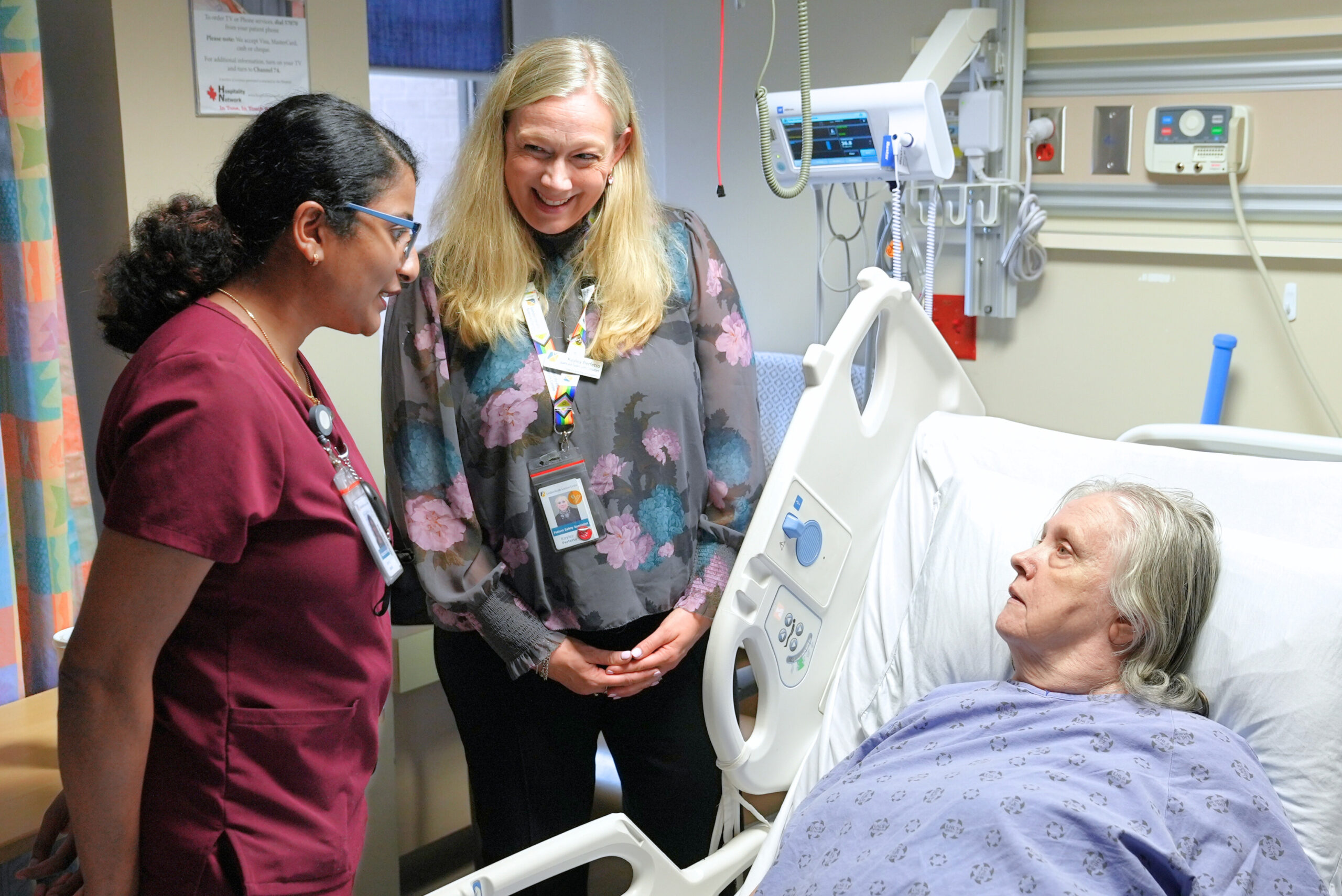
LHSC 150: Patient Safety in leaps and bounds
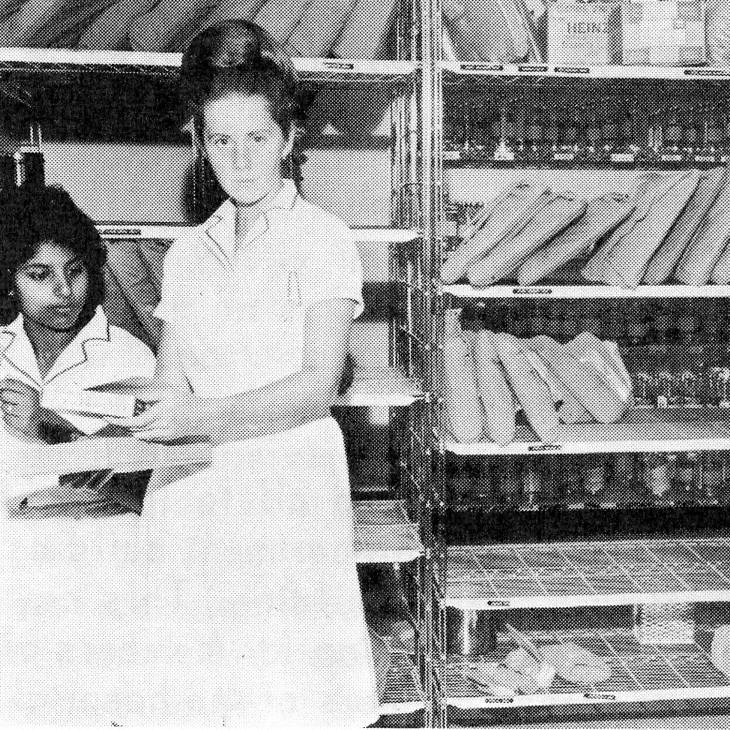
Medical Device Reprocessing changes in sterilization procedures over the years
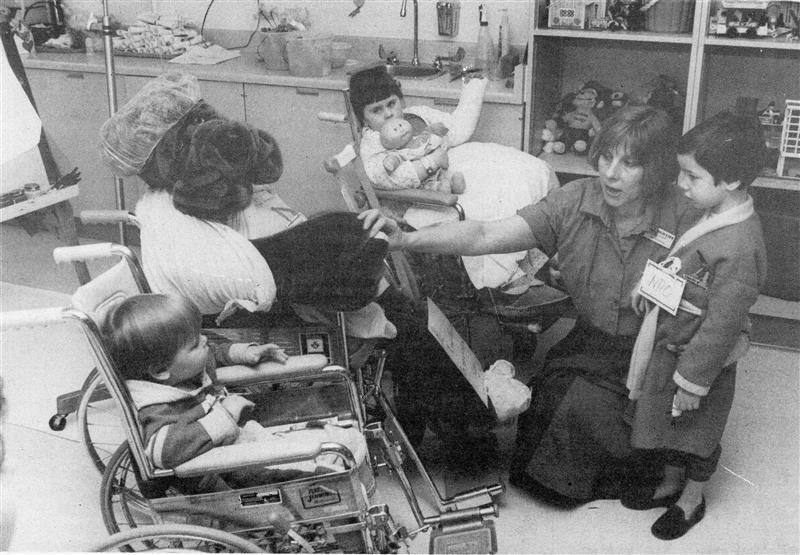
Helping kids be kids: A Children’s Hospital legacy
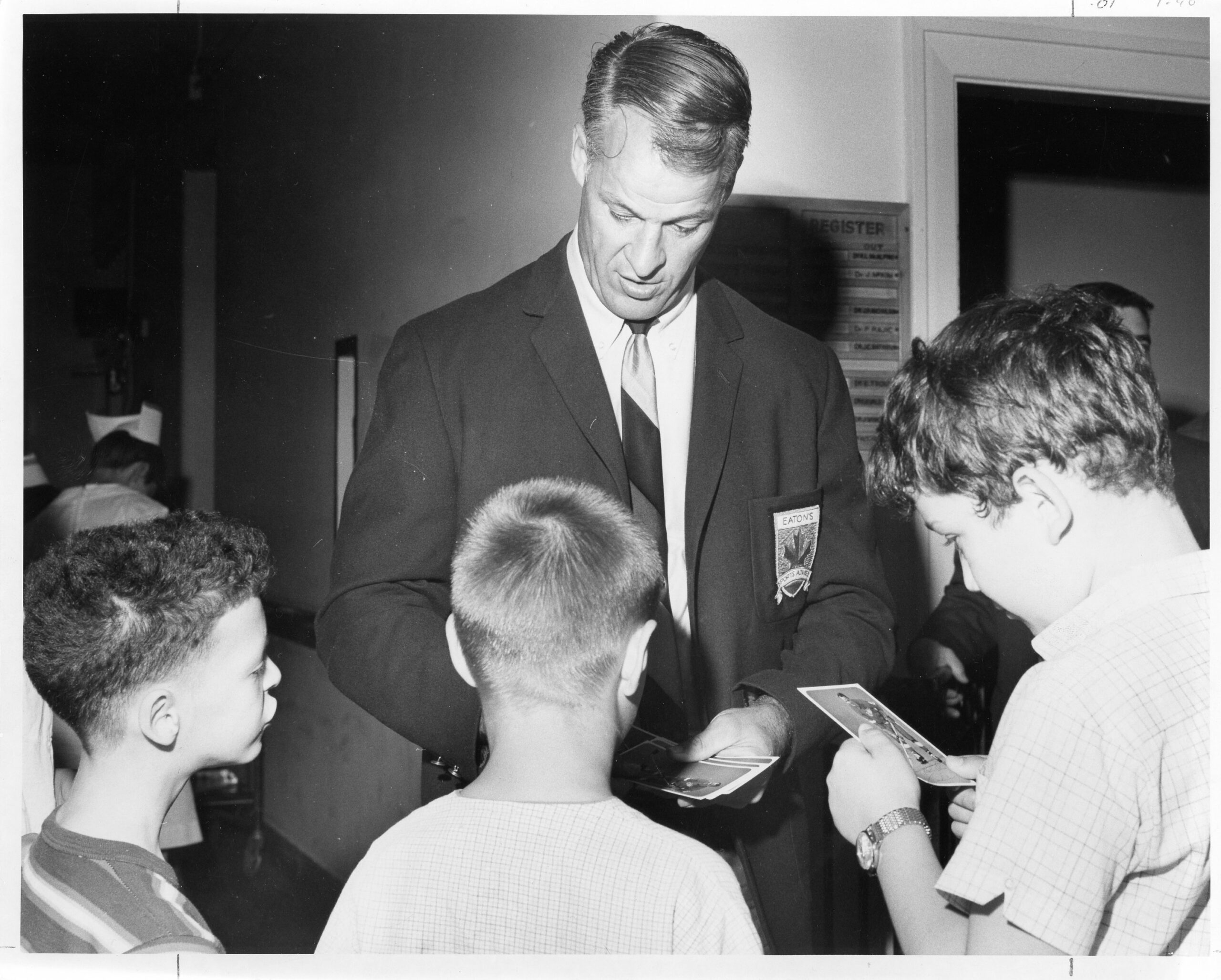
LHSC 150: Hockey and care through the years
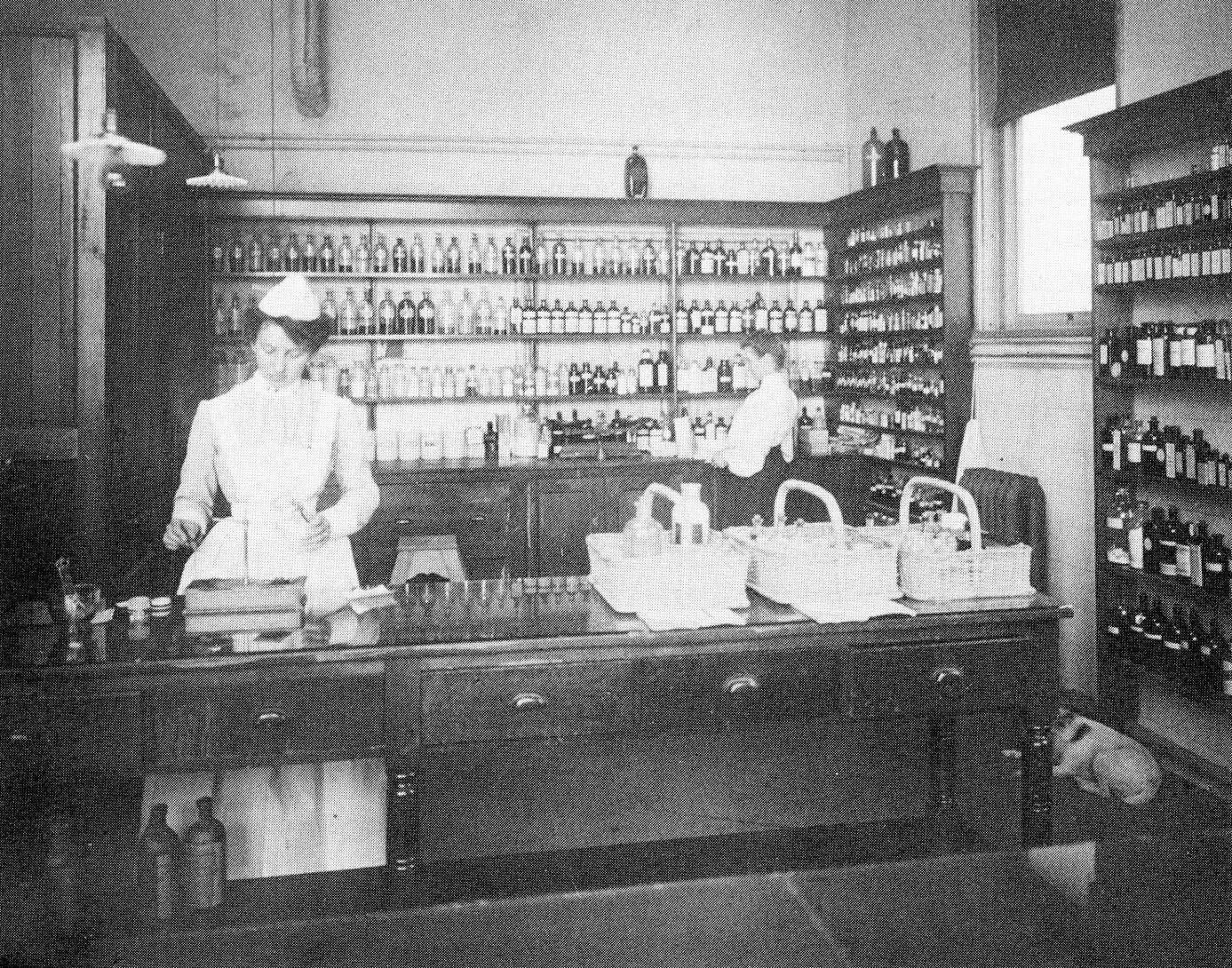
LHSC 150: The hospital pharmacy
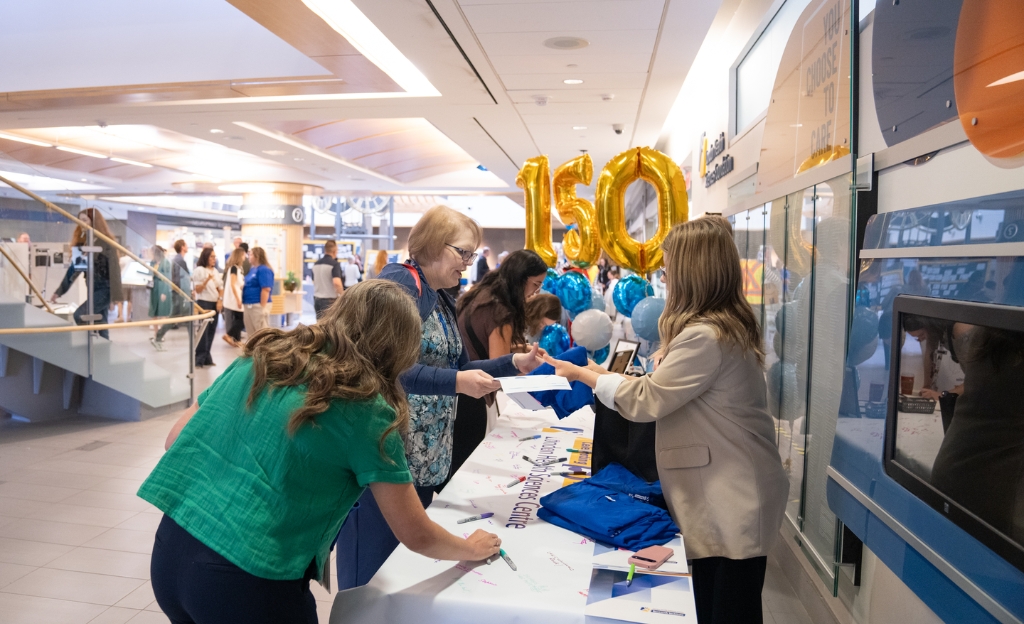
LHSC celebrates 150 years of great care, teaching, and research
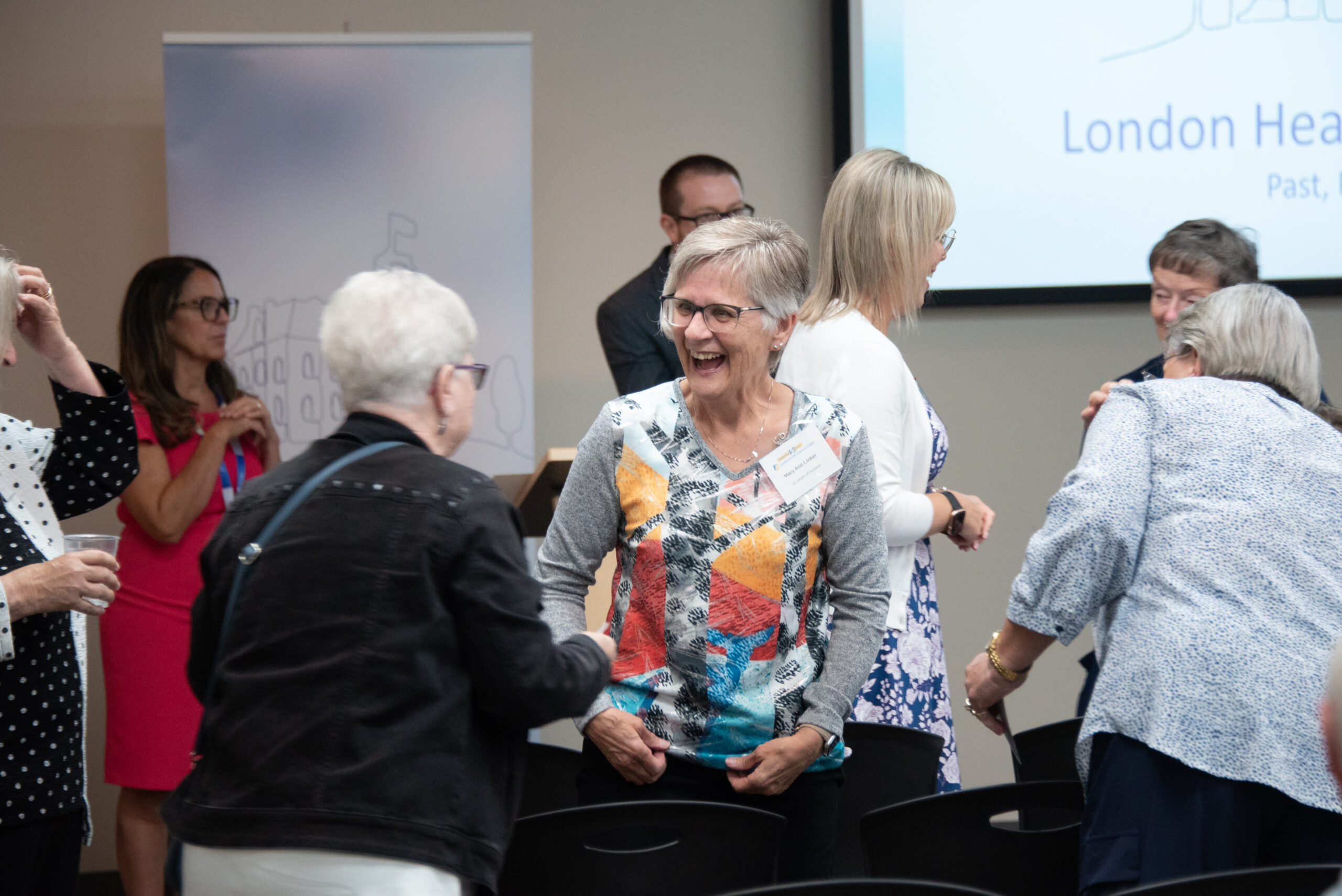
LHSC celebrates retirees who helped shape 150 years of great care, teaching, and research
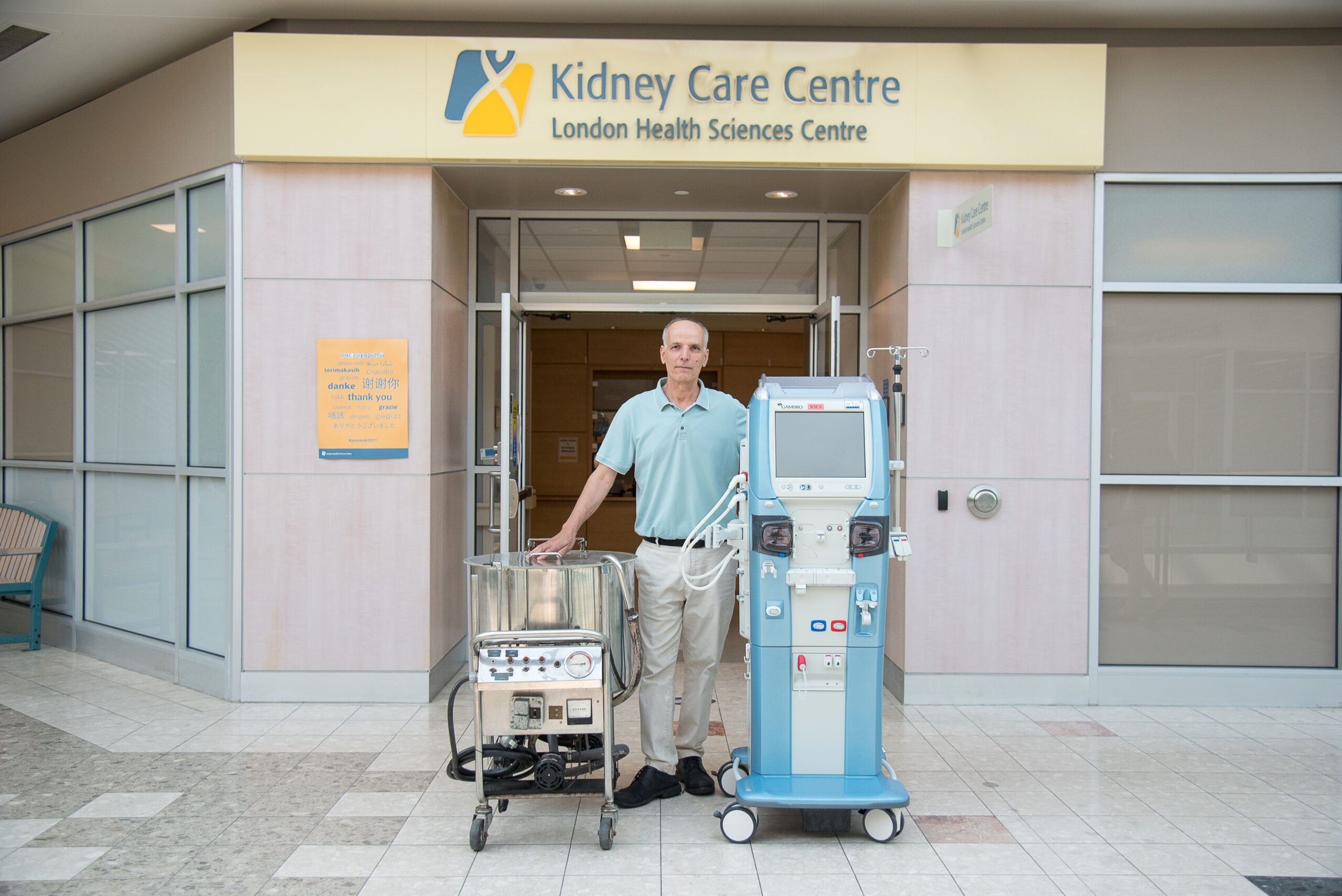
The first artificial kidney built in Canada has ties to London: A revolution in care for patients with kidney failure
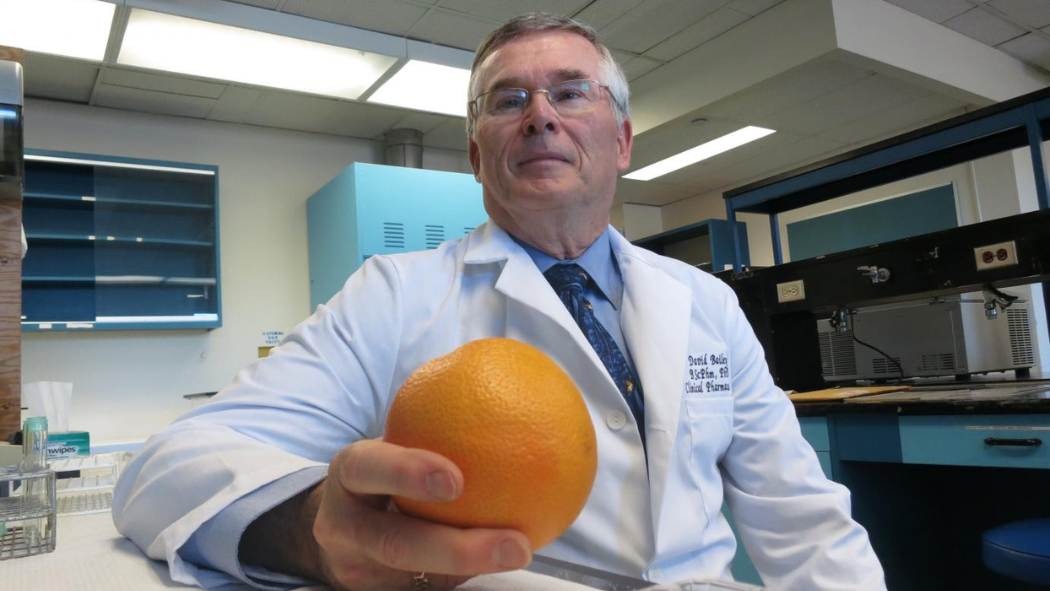
Citrus surprise: A juicy discovery at LHSC changed drug safety around the world
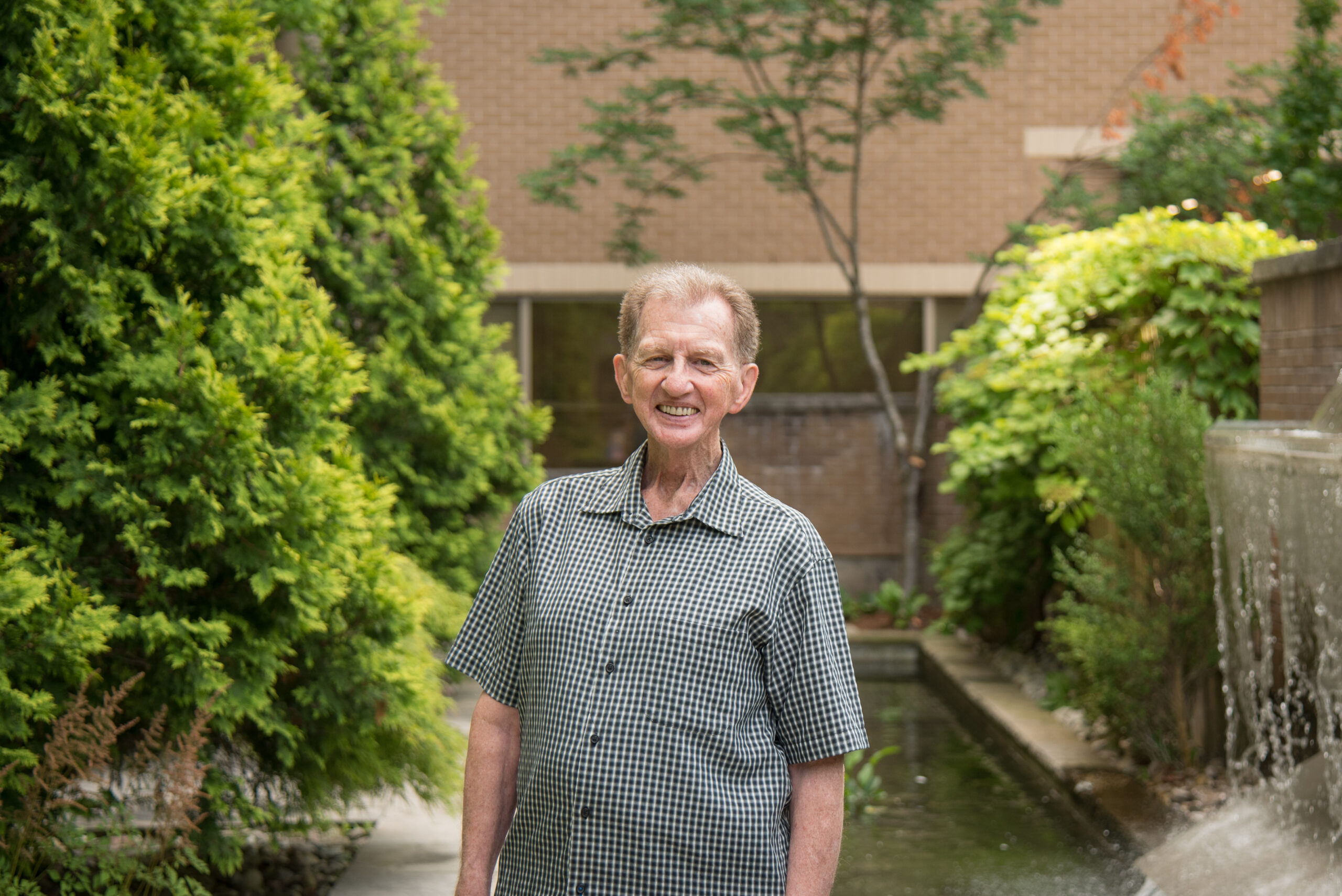
Gratitude and grace: Dave Gast’s 70-year health-care journey with LHSC
Join us for the LHSC 150 Anniversary Celebration
Join us for the LHSC 150 Retiree Tea
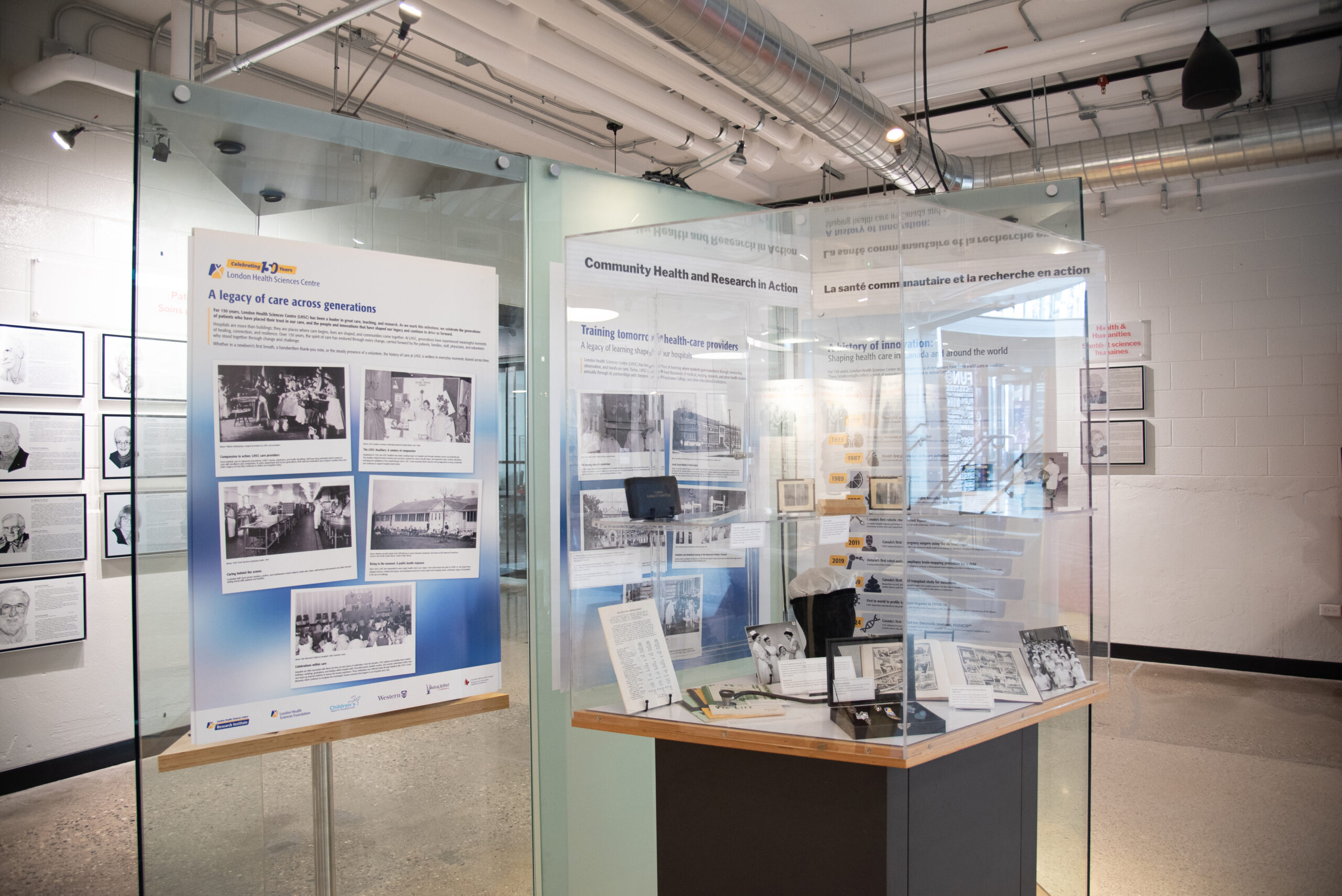
LHSC 150 Exhibit now open at the Canadian Medical Hall of Fame (100 Kellogg Lane)
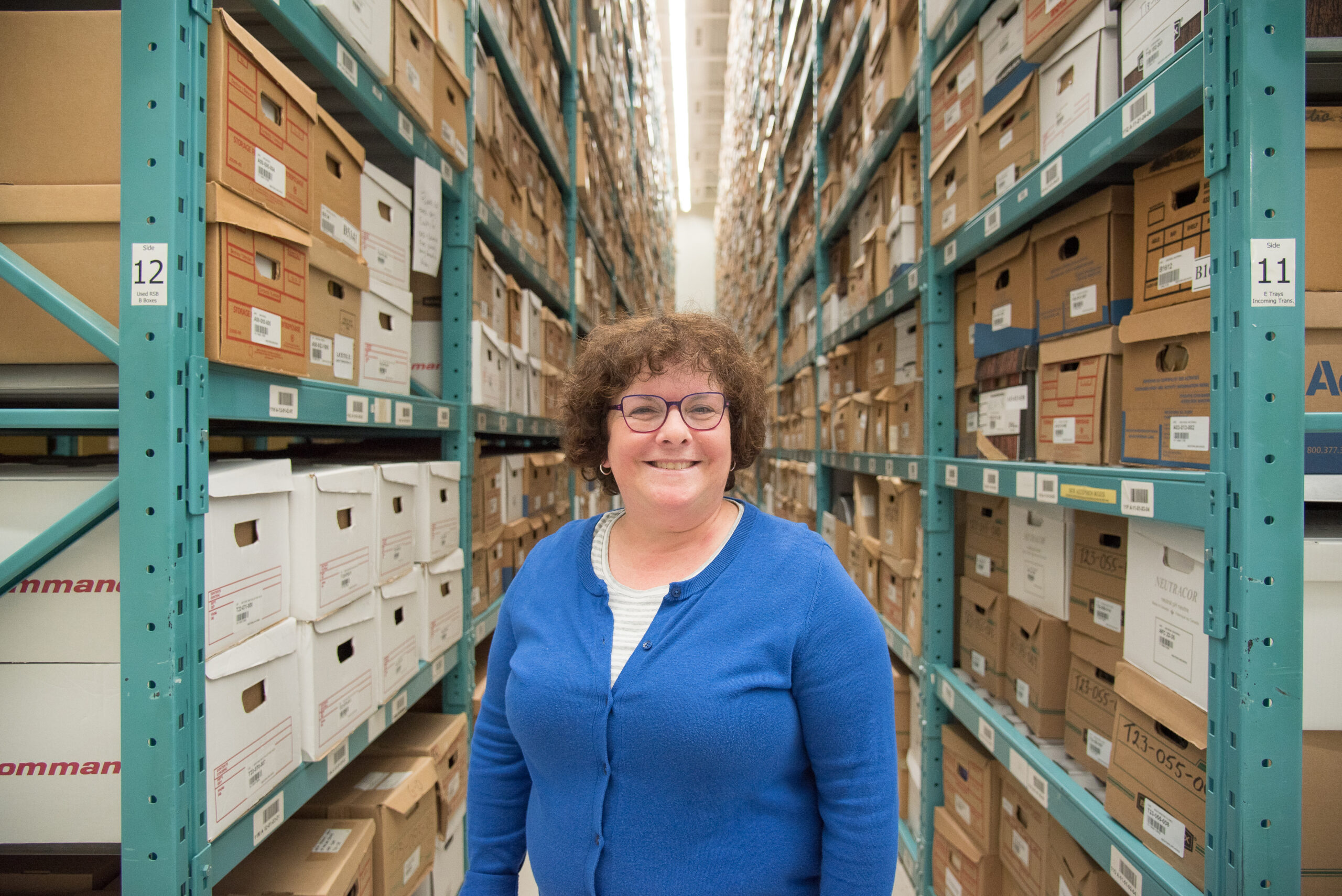
LHSC donates historic archives to Western Libraries
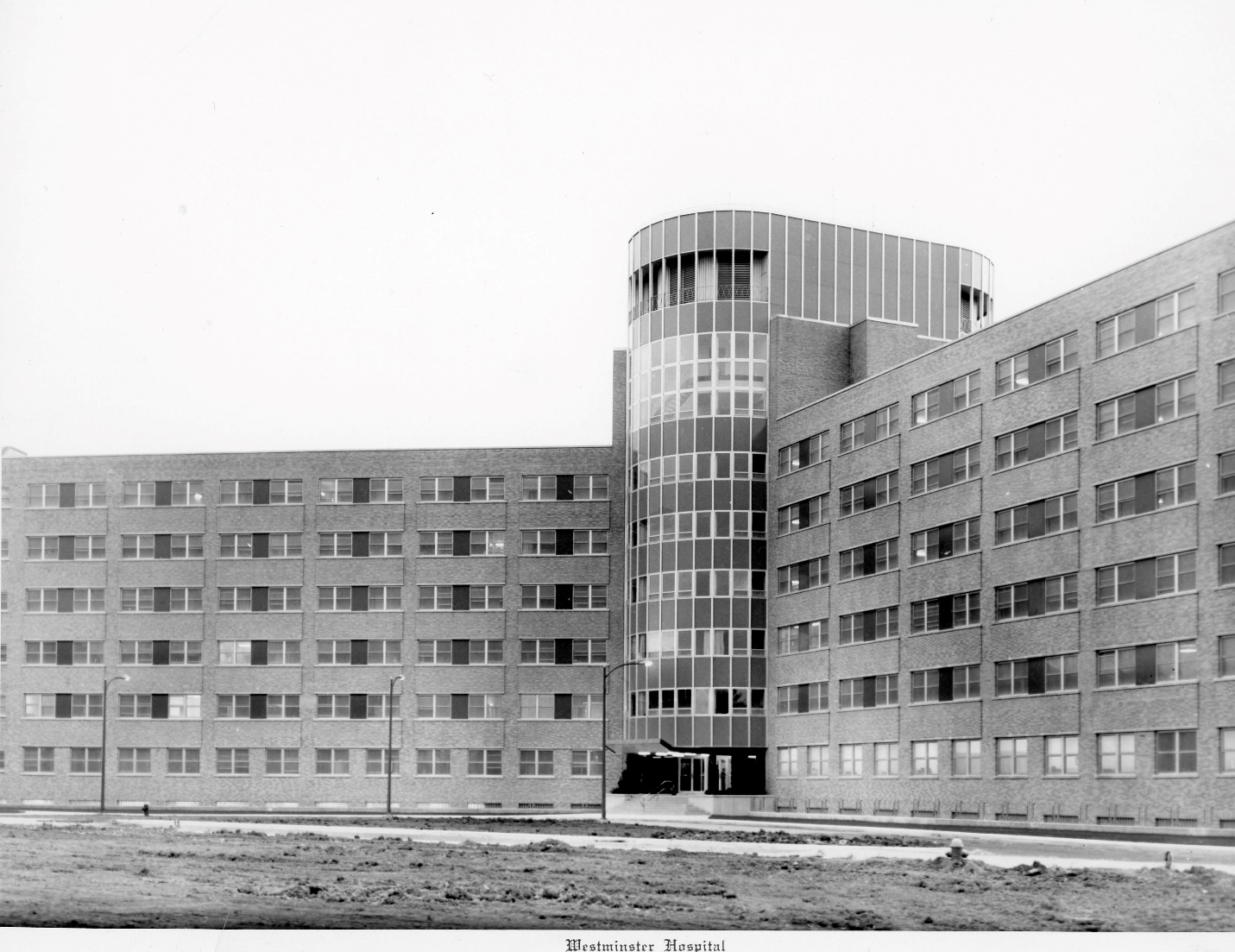
A new era of care: The journey from Westminster to Victoria Hospital
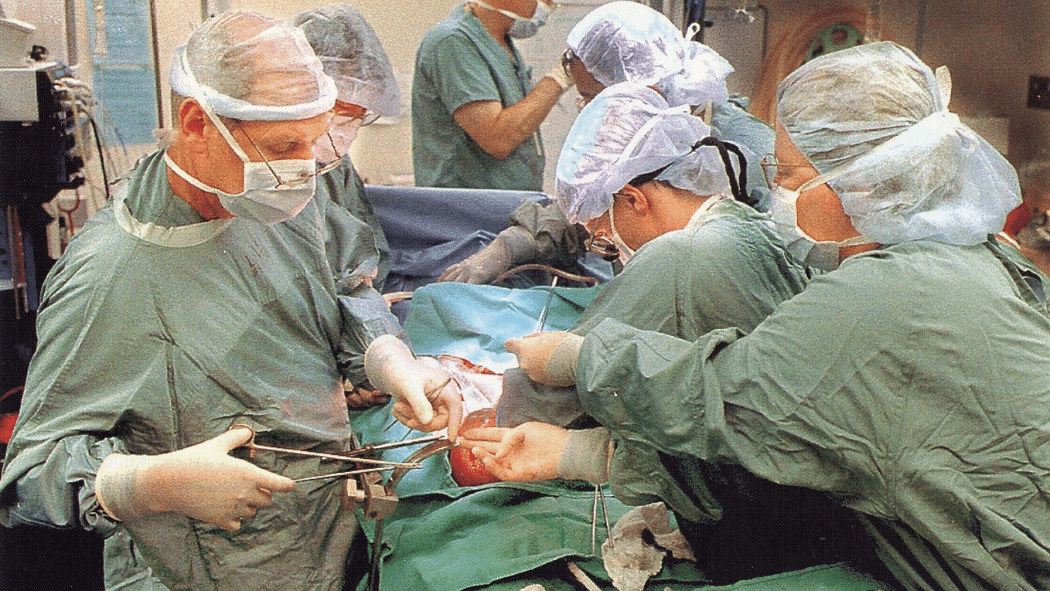
From impossible to lifesaving reality: Celebrating LHSC’s achievements in organ transplantation research
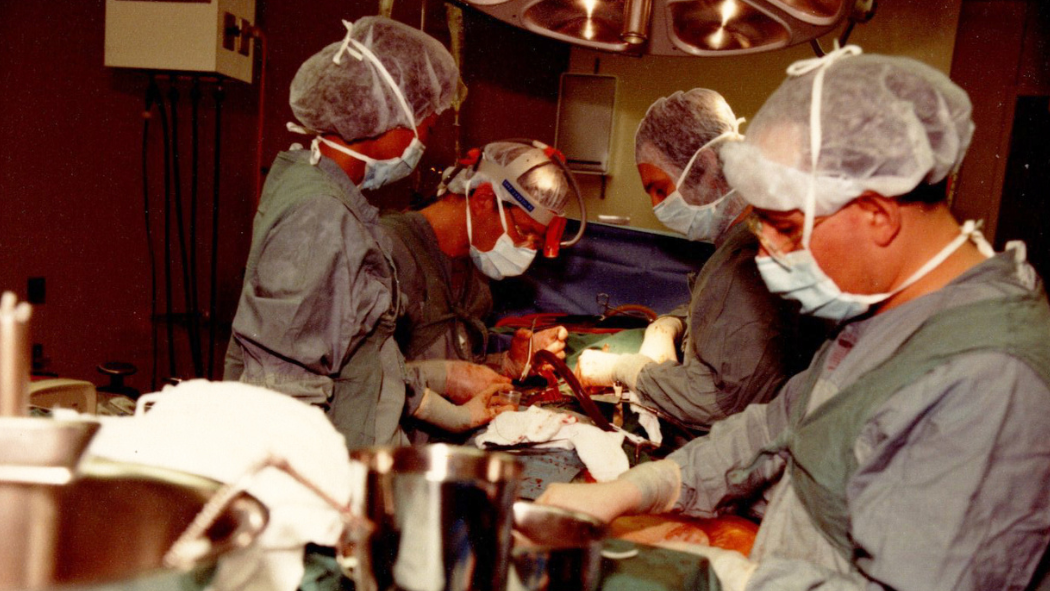
From the UH 50 Archives: Cardiac Care at heart of University Hospital
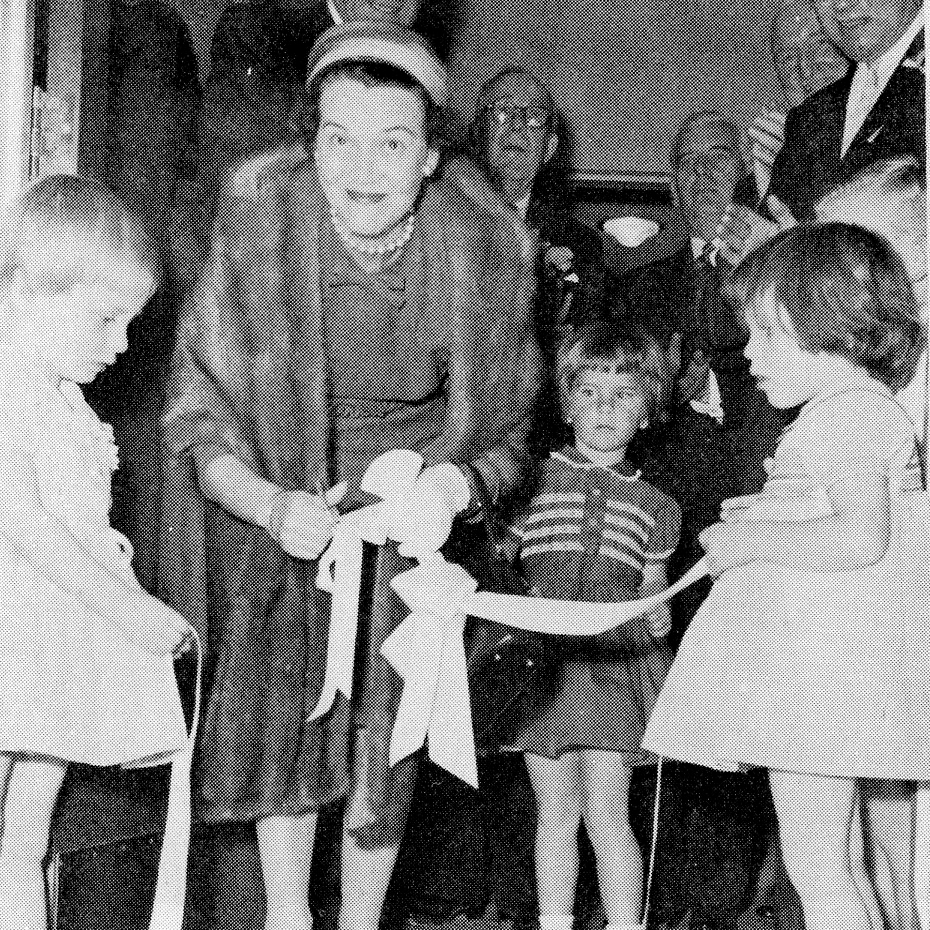
The history of cancer care at LHSC is a history of innovation
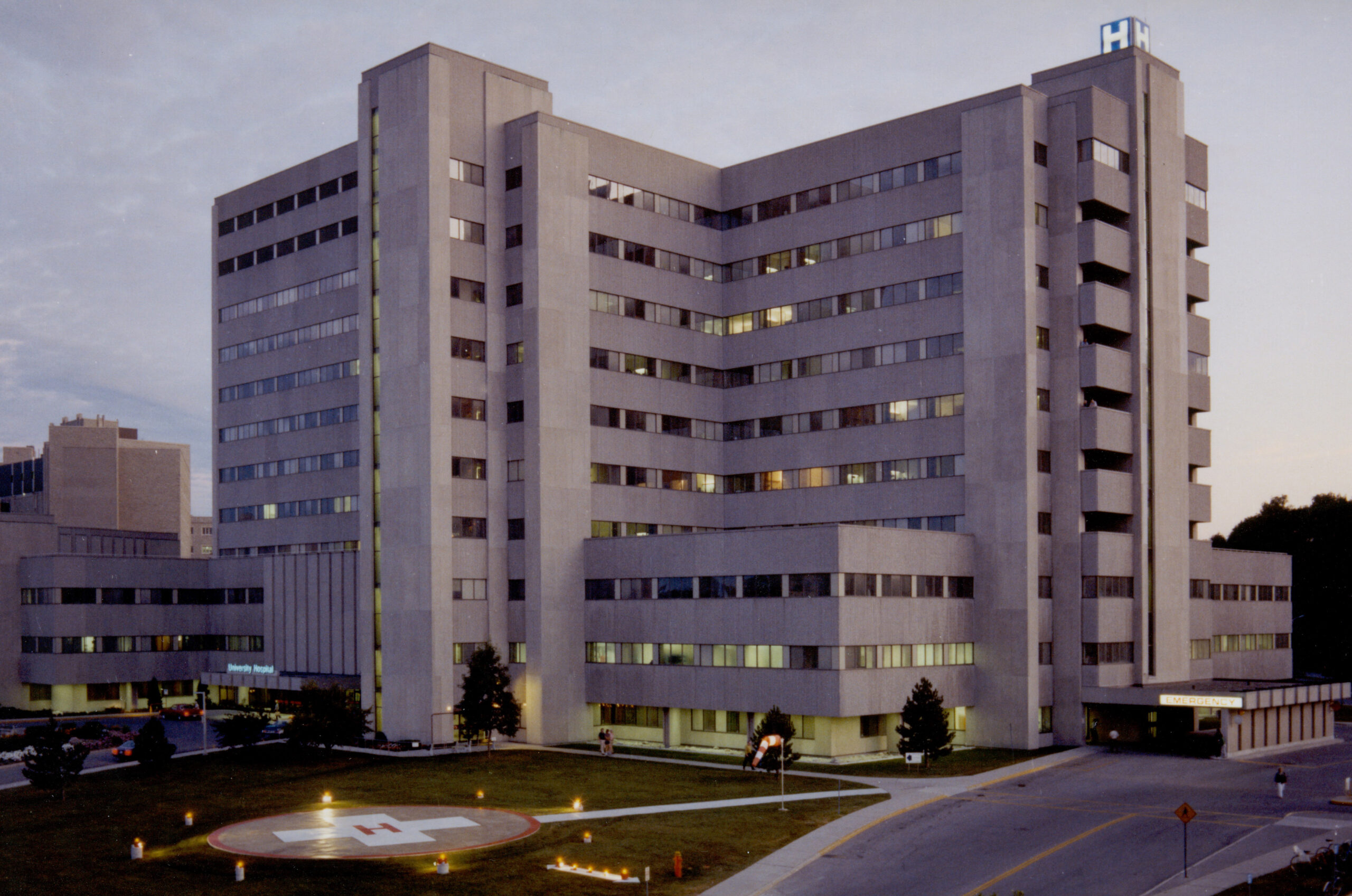
University Hospital: Ushering in a new era of care, teaching, and research
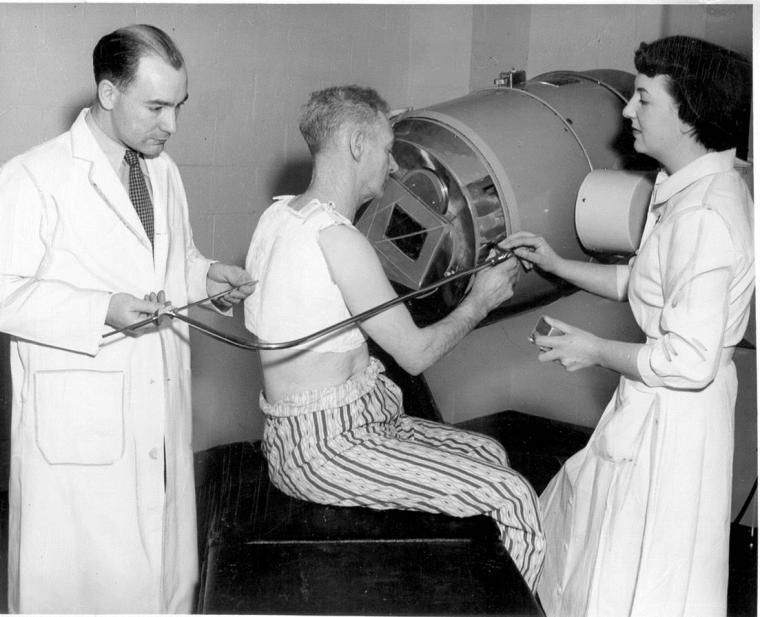
From the Cobalt Bomb to theranostics: LHSC’s pioneering role in cancer treatment
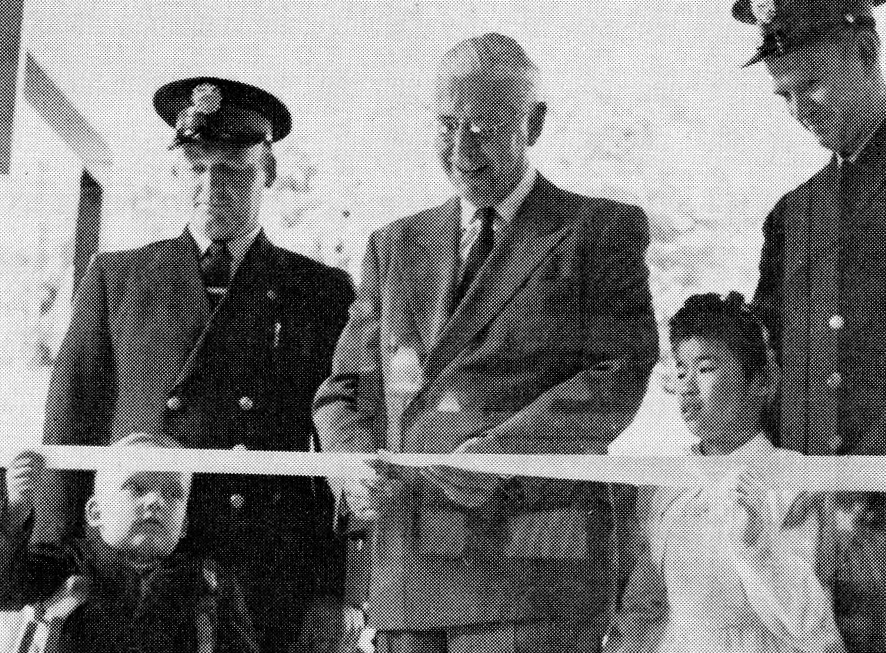
A history of support for children with physical, communication, and developmental needs
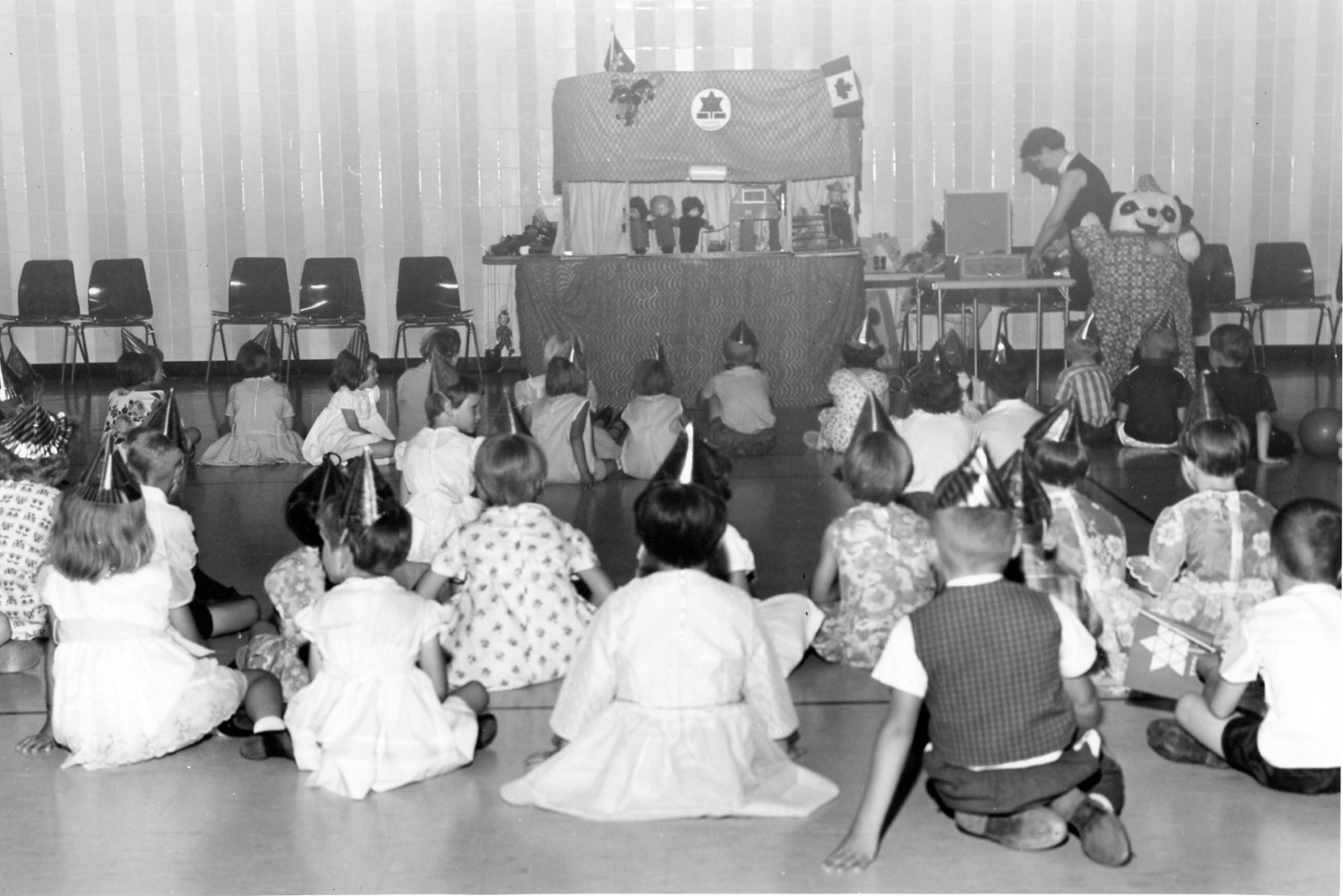
War Memorial Children’s Hospital: The history and legacy of paediatric care at LHSC
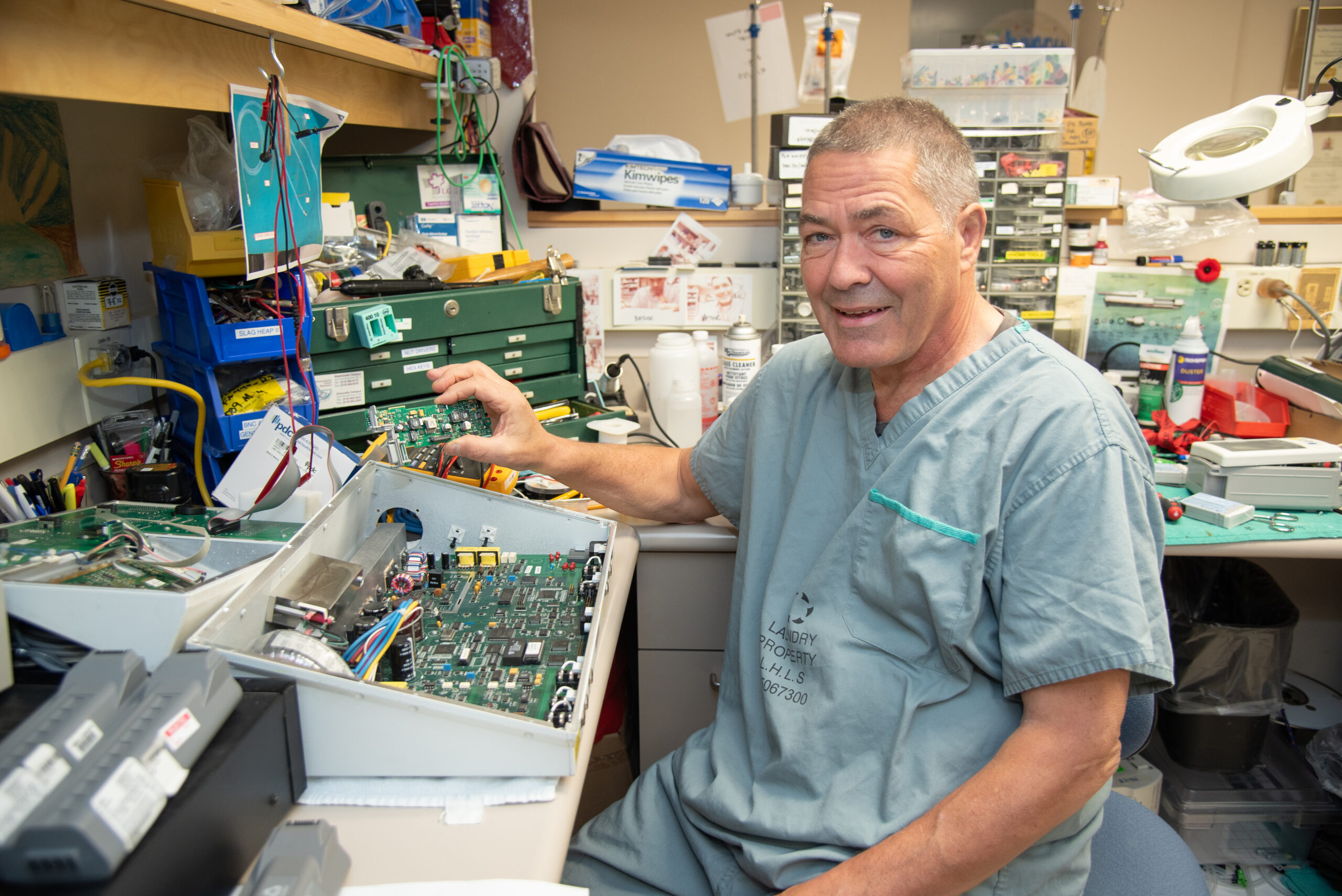
Advances in biomedical engineering

Celebrating 150 years of care during Nursing Week
Before LHSC: The community vision that transformed London’s health care
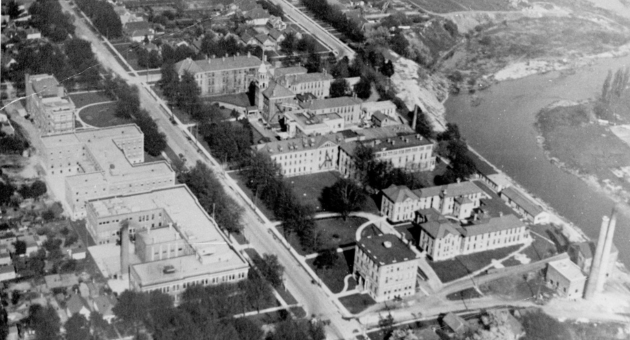
Victoria Hospital: A name that has shaped more than a century of care
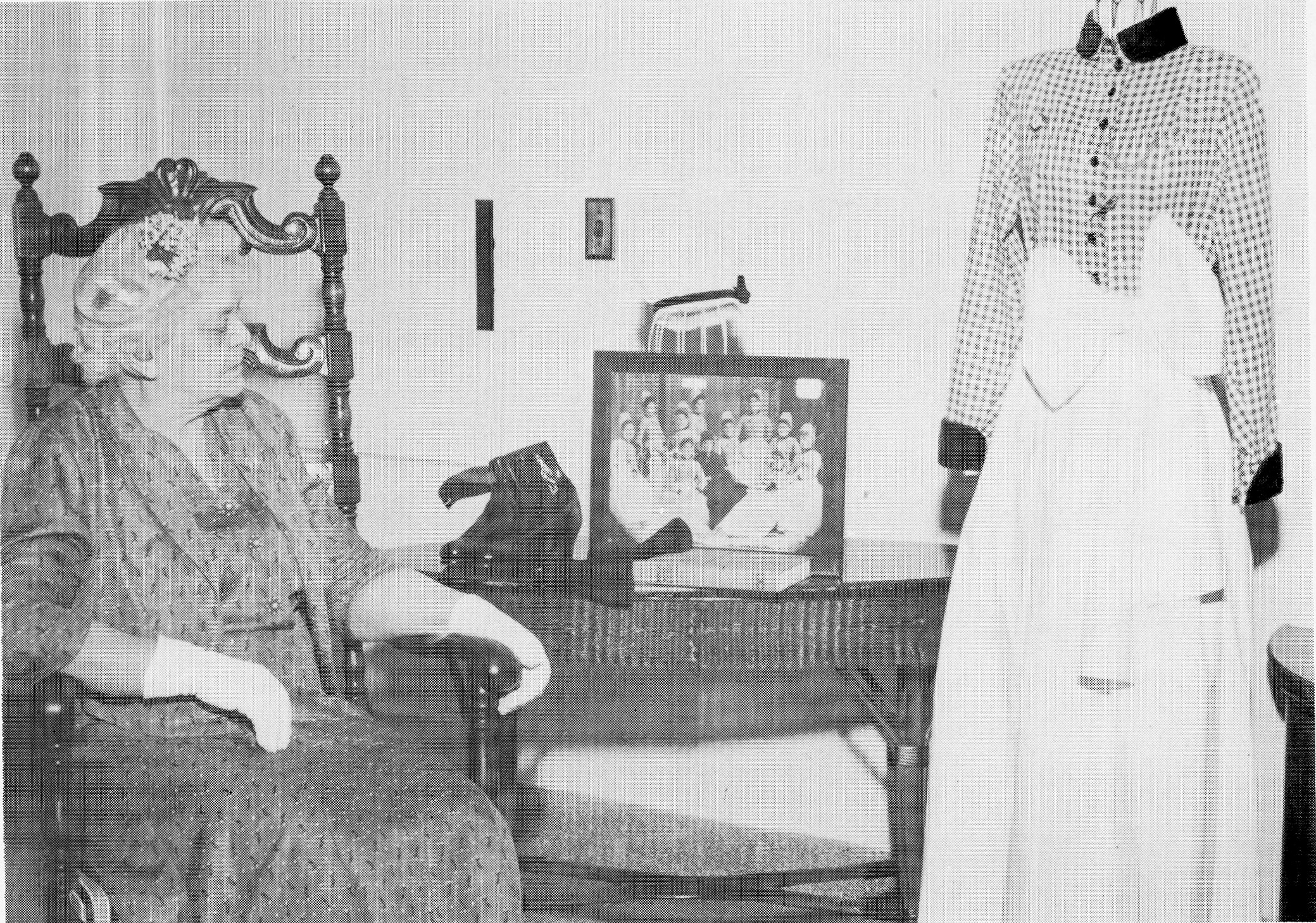
150 years of nursing education at LHSC: From the training school to education today
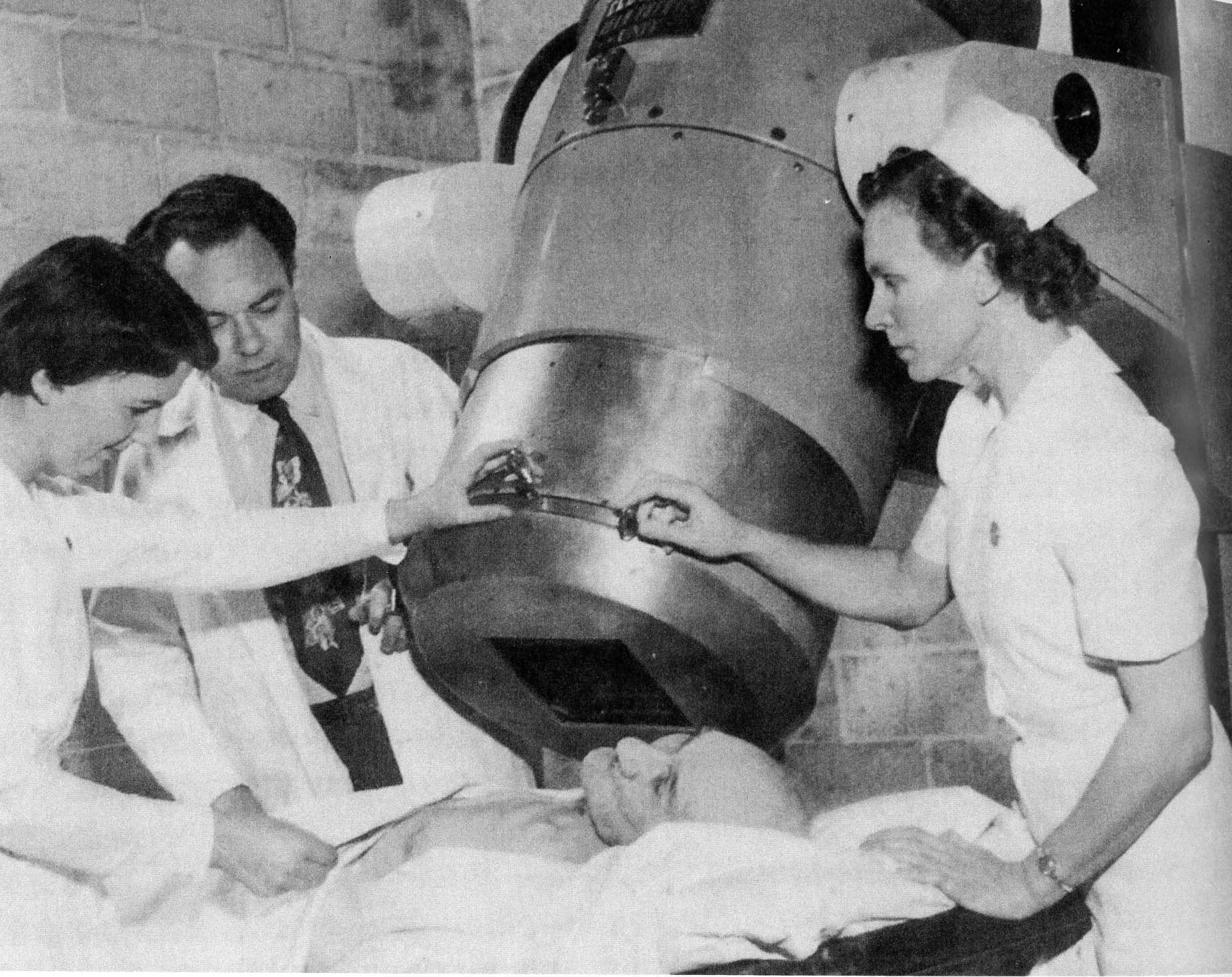
A legacy of innovation
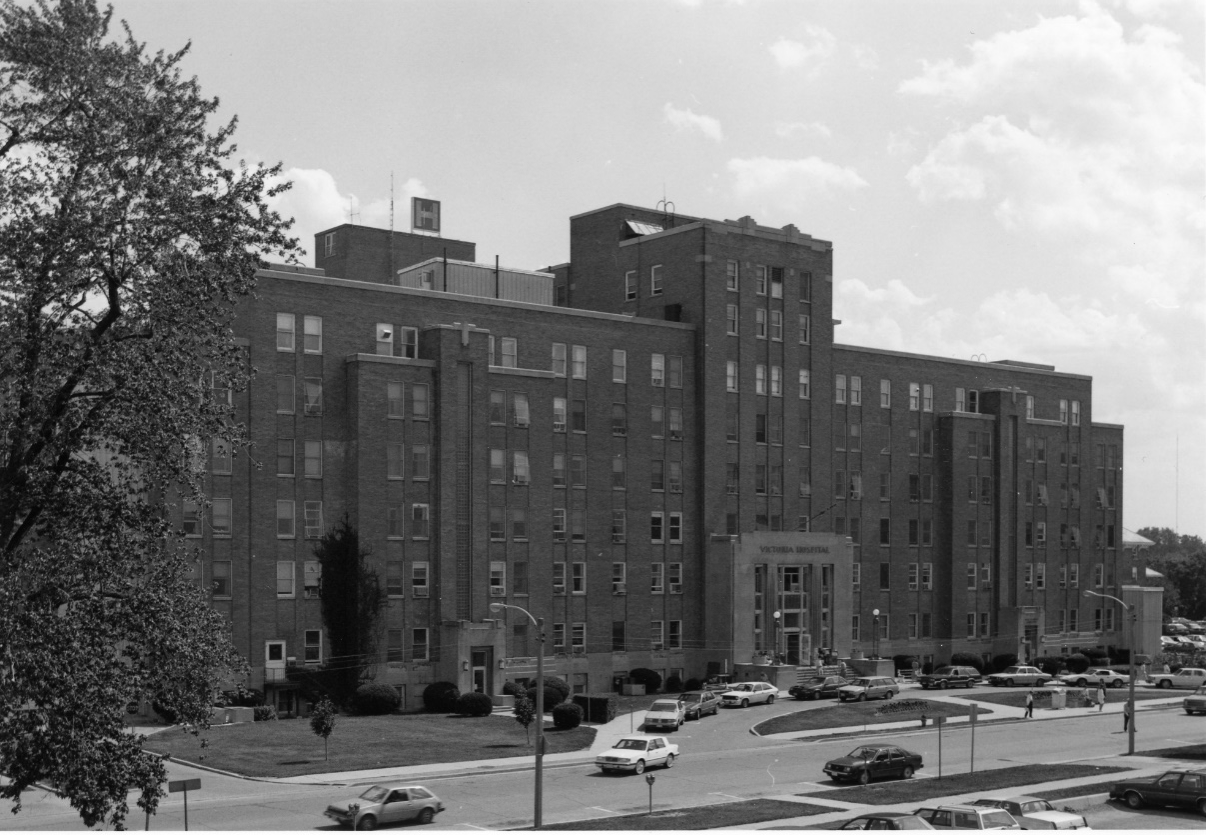
Where it all began: The opening of London General Hospital
LHSC 150: Celebrating 150 years of great care, teaching, and research
%20--%3e%3cpath%20d='M196.8,535.6h806.4c35.6,0,64.4,28.8,64.4,64.4h0c0,35.6-28.8,64.4-64.4,64.4H196.8c-35.6,0-64.4-28.8-64.4-64.4h0c0-35.6,28.8-64.4,64.4-64.4Z'/%3e%3cpath%20d='M164.6,532.4l303.4-175.2c30.8-17.8,70.2-7.2,87.9,23.6h0c17.8,30.8,7.2,70.2-23.6,87.9l-303.4,175.2c-30.8,17.8-70.2,7.2-87.9-23.6h0c-17.8-30.8-7.2-70.2,23.6-87.9Z'/%3e%3cpath%20d='M468,830.9l-303.4-175.2c-30.8-17.8-41.3-57.2-23.6-87.9h0c17.8-30.8,57.1-41.3,87.9-23.6l303.4,175.2c30.8,17.8,41.3,57.2,23.6,87.9h0c-17.8,30.8-57.1,41.3-87.9,23.6Z'/%3e%3c/svg%3e)
%20--%3e%3cpath%20d='M1003.2,664.4H196.8c-35.6,0-64.4-28.8-64.4-64.4h0c0-35.6,28.8-64.4,64.4-64.4h806.4c35.6,0,64.4,28.8,64.4,64.4h0c0,35.6-28.8,64.4-64.4,64.4Z'/%3e%3cpath%20d='M971,643.9l-303.4-175.2c-30.8-17.8-41.3-57.2-23.6-87.9h0c17.8-30.8,57.1-41.3,87.9-23.6l303.4,175.2c30.8,17.8,41.3,57.2,23.6,87.9h0c-17.8,30.8-57.1,41.3-87.9,23.6Z'/%3e%3cpath%20d='M667.6,719.4l303.4-175.2c30.8-17.8,70.2-7.2,87.9,23.6h0c17.8,30.8,7.2,70.2-23.6,87.9l-303.4,175.2c-30.8,17.8-70.2,7.2-87.9-23.6h0c-17.8-30.8-7.2-70.2,23.6-87.9Z'/%3e%3c/svg%3e)