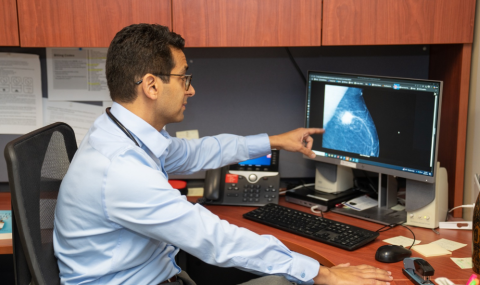
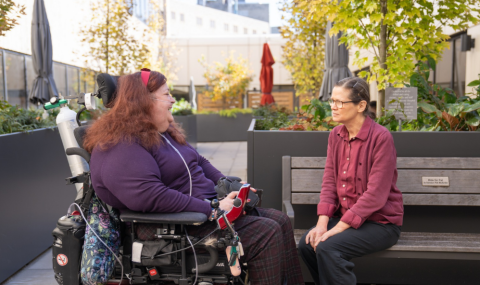
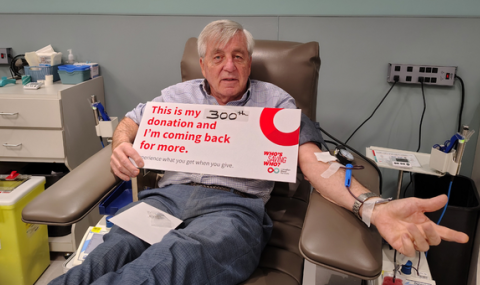
Engaging cancer care stakeholders—including patients, families, providers, and hospital staff—is essential to building a health system that works for everyone. When patients and families are involved in shaping care, we can better identify and remove barriers—whether those are related to access, communication, or navigating services. Supporting physician and staff wellness is equally important, because a healthy, supported workforce is better able to provide compassionate, high-quality care. By listening to and involving all stakeholders, we can also improve the patient experience, ensuring care feels more coordinated, respectful, and responsive. Together, these efforts create a stronger, more patient-centered cancer care system across the region.
Goal and objectives
Goal 1: Strengthen Collaborative Decision-Making in Cancer Care
Objectives:
- Convene multidisciplinary forums that include patients, caregivers, clinicians, and administrative leaders to set improvement priorities.
- Integrate systematic collection of both patient and provider perspectives into program planning and operational changes.
Indicators:
- Number of stakeholder meetings held annually and diversity of representation.
- Percentage of planning recommendations adopted from stakeholder input.
- Stakeholder satisfaction scores from post-engagement surveys.
Goal 2: Enhance Patient and Caregiver Voice in Program Development
Objectives:
- Establish intraregional collaboration of patient advisory voices representing various cancer types and demographics.
- Develop accessible channels (online platforms, surveys) for ongoing patient perspectives.
Indicators:
- Number and demographic diversity of patient advisory contributors.
- Response rates to patient engagement surveys or feedback requests.
- Documented changes to care protocols influenced by patient input.
Goal 3: Promote Continuous Quality Improvement through Stakeholder Insights
Objectives:
- Use patient and provider-identified improvement areas to inform quality metrics.
- Share performance data transparently with stakeholders to co-design improvement plans.
Indicators:
- Number of quality improvement initiatives initiated from stakeholder recommendations.
- Improvement in targeted quality measures (e.g., wait times, screening rates).
Priorities:
- Remove Barriers (Underserved Demographics)
- Provider Wellness
- Patient Experience (Psychosocial Services, Peer Support)
In April 2025, the SWRCP team hosted the first Patient Education Symposium in southwestern Ontario, effectively engaging patients, caregivers and providers. Following presentations on topics of interest, the event heard from those populations to gain constructive feedback on current cancer education materials and opportunities to inform the creation of the 2025/2026 Patient Education Strategy, ensuring the strategy is person-centred.
A success story for engaging patients, volunteers and caregivers
The SWRCP’s Peer Support Program engages patients, caregivers and volunteers
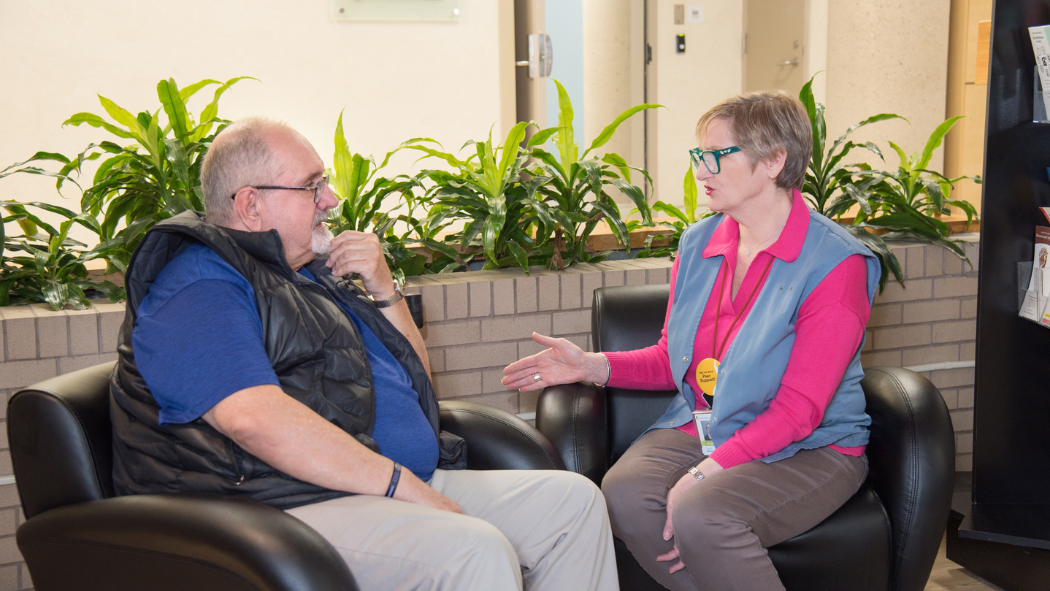
The Peer Support Program provides cancer patients, families and caregivers the opportunity, at any point in their cancer journey, to connect one-on-one with a peer support volunteer who has had their own cancer experiences. The program matches volunteer peer support with cancer patients, as well as families and caregivers of cancer patients. Volunteers have a wide range of cancer experiences from being a patient, family member, caregiver or healthcare professional, and they are matched with peers based on peer preferences. Read more about a patient’s experience in the Peer Support Program and how the program supported a caregiver and provided a valuable volunteer experience.
2024 – 2028 Strategic Plan Outline
Go back to the South West Regional Cancer Plans landing page.