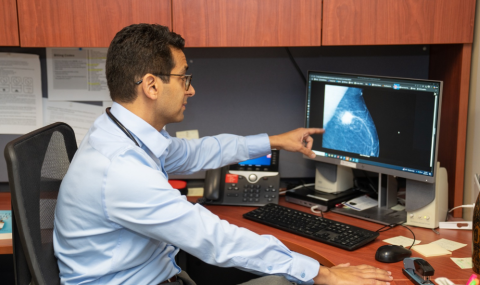
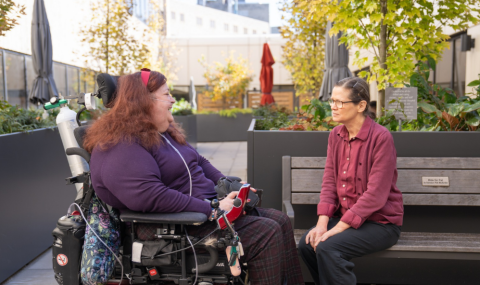
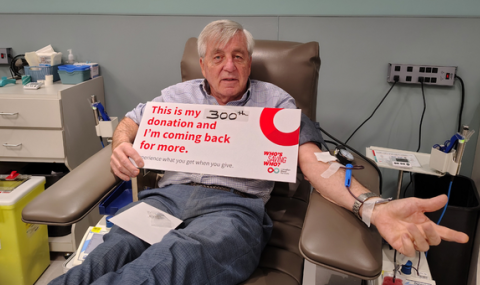
Making cancer care more consistent across hospitals in the region helps ensure that every patient receives the same high-quality treatment no matter where they go. The goal is to reduce gaps in care and improve fairness across the system by creating shared standards for how treatment, education and support are delivered. The South West region is committed to ensuring excellent treatment and care, whether it is given in Woodstock, Wingham, Stratford, St. Thomas or London, to support the best possible outcomes.
Together, our goals and objectives strengthen quality, equity, and the patient experience throughout the cancer journey.
Goals and objectives
Goal 1: Ensure consistent, high-quality cancer treatment across all hospitals in the region
Objectives:
- Align systemic treatment pathways (e.g., chemotherapy and drug therapies) so patients receive safe, evidence-based care everywhere.
- Reduce unnecessary variation in practice between hospitals to improve fairness and efficiency.
Indicators:
- Standardized systemic treatment processes across hospitals.
- Regular clinical audits showing region-wide compliance to established treatment-related standards.
- Patient outcomes meet or exceed benchmarks aligned with provincial standards.
Goal 2: Strengthen patient and provider education
Objectives:
- Provide clear, consistent information about treatment expectations, side effect management, and available supports.
- Ensure healthcare providers have access to the same educational tools and guidelines to deliver coordinated care.
Indicators of Success:
- More patients report receiving clear and consistent educational material at diagnosis and during treatment.
- 100% of providers trained annually on updated treatment protocols and patient education resources.
- Improved patient satisfaction scores (e.g., confidence in understanding the next steps of their care pathway).
Goal 3: Standardize palliative care across the region
Objectives:
- Improve timely access to symptom management, psychosocial support, and advance care planning.
- Integrate palliative care as a standard part of the patient journey, not just end-of-life care.
Indicators:
- Greater patient and family satisfaction with symptom management and support services.
- Increase in documented advance care plans for patients with advanced disease.
- Reduced treatment in the last 30 days of life, in line with OH-CCO targets.
The past four years have culminated in several system improvements to standardization of processes and patient pathways. Notable examples include:
- Automated triage of new medical oncology referrals at the Verspeeten Family Cancer Centre for quicker, transparent scheduling of new consults by a dedicated intake team.
- Oncology Patient Navigation Program expansion from two to eight disease groups, offering a standardized support model for patients undergoing a formal cancer diagnosis and treatment initiation.
- Connecting patients with a positive cancer screen to a nurse practitioner or family doctor in the South West region. This program is known as the Unattached Patient Initiative, aimed at reducing gaps in primary care for patients who need it the most.
- Your Symptoms Matter symptom management tool is now available at all hospitals in the South West Region that offer chemotherapy or radiotherapy. Listowel Wingham Health Alliance and Woodstock Hospital are frequently credited among the top performers in the province with symptom screening rates consistently above 90%.
A success story for standardization
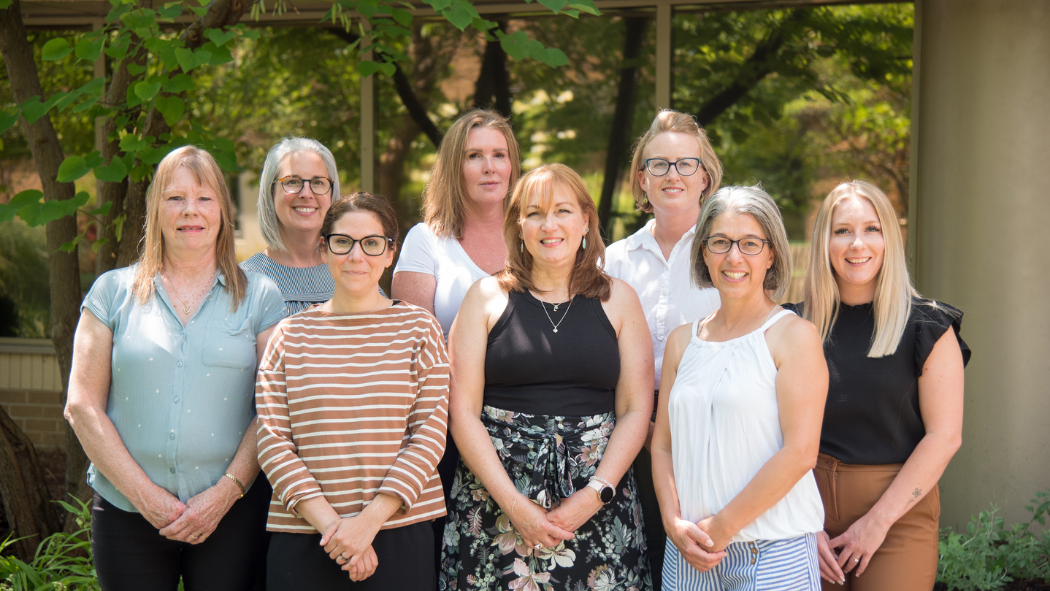
Front row (left to right): Karen D, Mariana M, Laurel B, Raquel C, Darby M
The Oncology Patient Navigation Program (OPNP) at London Health Sciences Centre has been a vital support system for cancer patients in Southwestern Ontario since its launch in 2011. Exemplifying person-centred care coordination, the team serves as a pillar of strength for patients. The program, operated by the SWRCP, helps patients navigate the complex cancer care journey from suspicion of cancer through diagnosis, treatment, and into palliative care if necessary and helps provide patients with timely access to diagnostics closer to home, which leads to a timelier diagnosis.
In 2021, the OPNP expanded to patients with head and neck cancers, with five other disease groups following in the next four years. Today, the team of four Nurse Navigators and four clerks facilitate timely diagnostics, cancer staging and treatments for over 600 patients in the South West region in a stepwise, equitable manner under the principles of safety and urgency. Patients like Chris Wyenberg have expressed profound gratitude for the program, saying that their navigator “made it feel like a family member was advocating for me throughout the process.” The program’s virtual design allows continuous support, reinforcing patient empowerment, timely care transitions, and reducing system delays, which aligns with South West Regional Cancer Program’s mission to provide seamless and compassionate cancer care.
OPNP timeline of supporting disease sites:
- 2011: Thoracic
- 2016: Colorectal
- 2021: Head and Neck
- 2022: Intraperitoneal
- 2023: Hepatobiliary
- 2024: Sarcoma
- 2025: Genitourinary and Hematology
2024 – 2028 Strategic Plan Outline
Go back to the South West Regional Cancer Plans landing page.